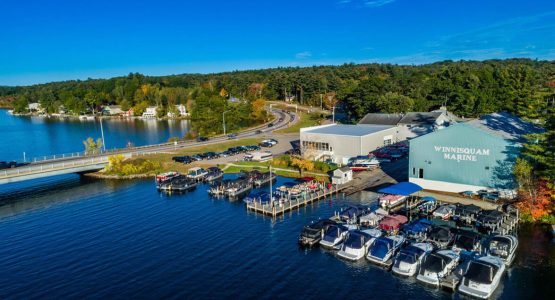

Police Search For Missing Boater On Merrimack River
December 3, 2025
Marina Bay: The Dock & Dine Capital of New England
December 5, 2025

CT Announces New Trout Regulations
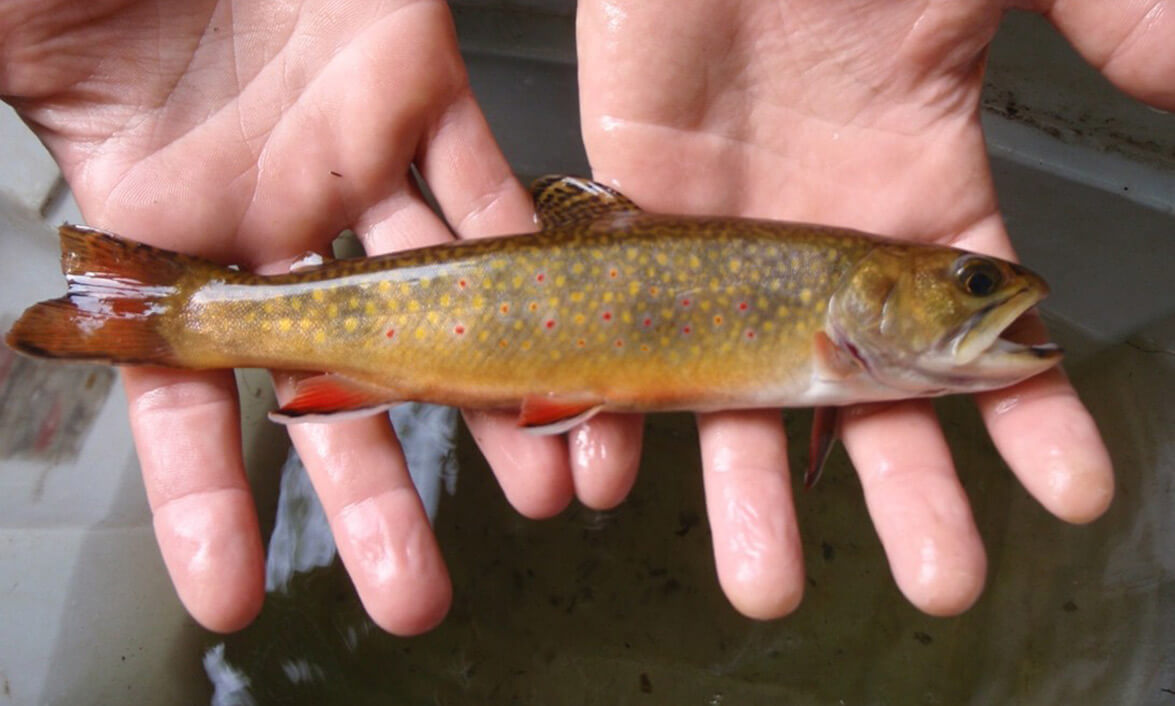
Brook Trout (Salvelinus fontinalis), Connecticut’s only native trout, require precise physical, chemical, and biological conditions, which over the past 30 years are becoming less widespread. Photo/CT DEEP
Connecticut officials recently announced they are establishing the first statewide minimum length for trout in more than 70 years. They also announced the creation of three new trout parks in the state.
Officials with the Connecticut Department of Energy and Environmental Protection (DEEP) recently released a series of new inland sportfishing regulations that will take effect January 1, 2026.
The updated regulations provide additional protections for declining populations of brook trout, the only species of trout native to Connecticut. Officials said decades of monitoring by DEEP biologists shows a clear trend of reduced range and abundance of brook trout in the state.
Brook trout require cold water to survive and flourish, meaning that they are particularly susceptible to the impacts of a warming climate.
“The brook trout is an iconic New England fish that is losing ground here in Connecticut,” said DEEP Commissioner Katie Dykes. “DEEP is pleased that our state’s fishing community broadly supported new fishing rules that will provide additional protections for this special fish.”
Under the new rules, only trout nine inches or longer can be kept in waters open to trout harvest in the state, except where a more restrictive length limit is already in place.
There has not been a default statewide minimum length limit for trout in Connecticut since 1953, when it was six inches.
Officials said the new default nine-inch minimum length limit for trout will be highly protective of wild brook trout in the streams where they are found, as most wild brook trout in Connecticut are less than nine inches in length. DEEP stocks hatchery-raised brook trout in many waters, and nearly all these fish are greater than nine inches in length, thus providing opportunities for brook trout harvest.
The new rules also include the establishment of three new trout parks in the state: Mashamoquet Brook in Pomfret, Macedonia Brook in Kent, and Kettletown Brook in Southbury.
Additionally, 22 waters or portions of waters will now be newly designated as Class 1 Wild Trout Management Areas. Wild brook trout populations in these areas will now be protected by year-round catch-and-release-only regulations and a requirement that anglers use only artificial lures or flies with a single barbless hook.
Trout regulations also have been simplified via the removal of special regulations on several waterbodies, which will now be subject to default statewide trout regulations.
Learn more about Connecticut’s new inland sportfishing regulations.

We offer the latest boat releases, electronics, gear, and dock-and-dine experiences. Engage yourself with captivating TV shows and short videos, immersing you in New England’s maritime adventures.
REGIONAL NEWS

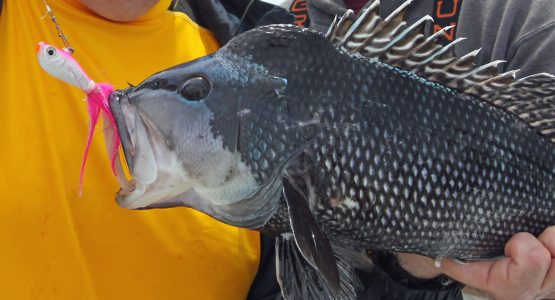
Rhode Island Black Sea Bass Limits Increase Sept. 1
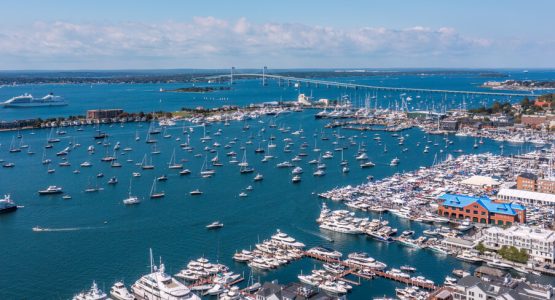
Newport Boat Show Returns Sept. 17–20

MA Anglers Land Massive 1,260-Pound Blue Marlin Off Cape Cod

New England Ports Rank Among America’s Best Boating Destinations

Maine Anglers Land Massive 770-Pound Bluefin Tuna in Casco Bay
ASA SAYS DECREASE IN FISHING PARTICIPATION FIRST SINCE 2021

Rising Tide Traps Nine Anglers on Connecticut Breakwater

Shark Encounter Pulls Maine Lifeguard Underwater at Scarborough Beach

The Prestige at Heritage Brings Classic Cars to Cape Cod Sept. 12–13

New Bedford Whaling Museum Turns One-Star Insult Into Viral Merchandise Success
Maine Boat & Home Show Returns to Rockland Waterfront August 7