
Rare Cotton Candy Lobster Caught Off Maine Coast
September 24, 2026
Long Island Sound Report Card Shows Improving Open-Water Quality
September 25, 2026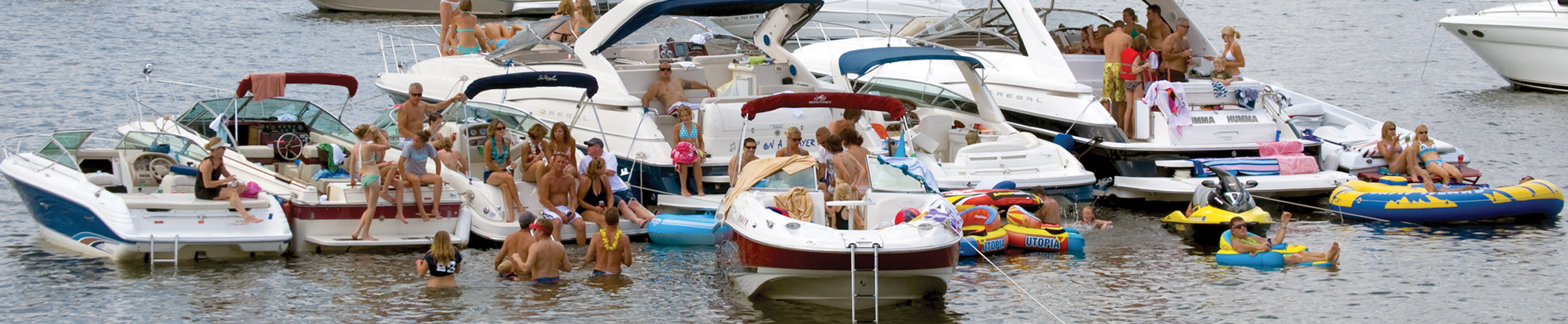

Batten Down The Hatches: New England Boaters Brace for Weekend Nor’easter
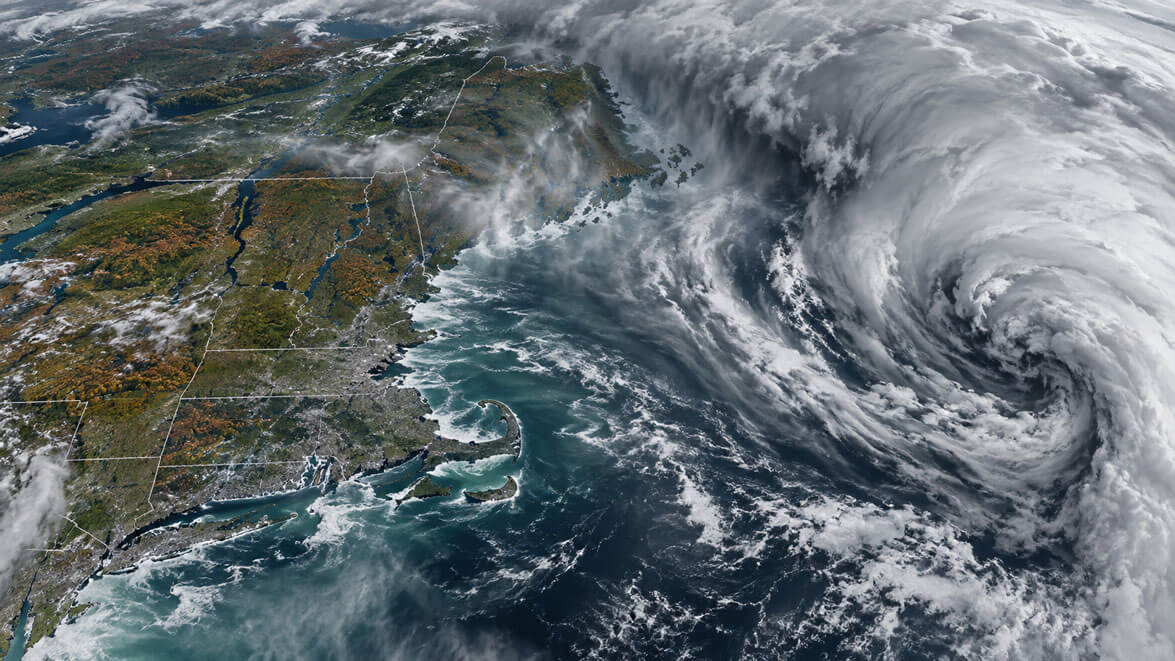
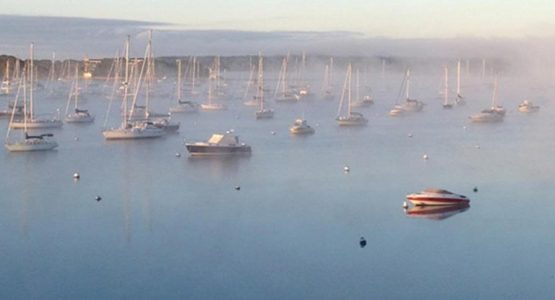
Nor’easter to hit New England states this weekend. Image/AI generated.
Boat owners and marina operators across New England and the Mid-Atlantic are working under tight deadlines right now to secure watercraft as a powerful, early-season nor’easter targets the region for the weekend of September 26–27, 2026. The slow-moving storm system, which intensified off the Carolinas, is projected to bring torrential rain, coastal erosion, and dangerous marine conditions from New York to Maine.
With the National Weather Service forecasting wind gusts up to 50 to 60 mph and waves potentially reaching 17 feet along the eastern New England coast, maritime communities are taking no chances. In coastal Massachusetts, Rhode Island and Connecticut, the rush to pull vessels from the water is already at a peak.
At marinas throughout the region, staff members are urging boaters to finalize preparations ASAP. Marina personnel and boat owners are actively doubling and tightening dock lines to prevent vessels from breaking free as tides and winds surge. Experts note that high winds can snap standard single lines, causing loose boats to collide and inflict heavy damage on docks.
For many recreational boaters, hauling their watercraft completely out of the water is the preferred strategy. In harbors like Scituate, MA, Mystic, CT, and Portland, ME, local boatyards are operating at top speed to lift boats into dry storage before conditions deteriorate late Friday.
The U.S. Coast Guard has issued urgent safety advisories warning all mariners to stay off the water entirely during the multi-day event. Officials are emphasizing that the weekend’s high tides will be compounded by a full moon, increasing the risk of severe tidal flooding. Furthermore, emergency responders are asking coastal residents to secure loose property on docks—such as kayaks, paddleboards, and life jackets. Unsecured items that float away can trigger false alarms, diverting critical search-and-rescue resources from actual emergencies during the height of the storm.
A storm earns the classification of a “nor’easter” when a strong low-pressure system off the Atlantic Coast creates a counterclockwise circulation that drives sustained, intense winds specifically from the northeast. While frequently associated with heavy winter snow, autumn systems fuel themselves on sharp temperature contrasts between cold land air and warm ocean water, resulting in torrential rain, damaging gale-force winds, and significant coastal erosion.
Written by Tom Schlichter

We offer the latest boat releases, electronics, gear, and dock-and-dine experiences. Engage yourself with captivating TV shows and short videos, immersing you in New England’s maritime adventures.
REGIONAL NEWS

Powerful Nor’easter Threatens New England Boaters This Weekend
Rare Cotton Candy Lobster Caught Off Maine Coast
Discover Boating® Norwalk Boat Show Celebrates 50 Years!
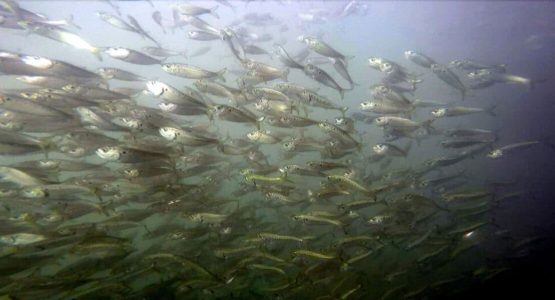
ASMFC Seeks Public Input on Atlantic Menhaden Fishing Rules
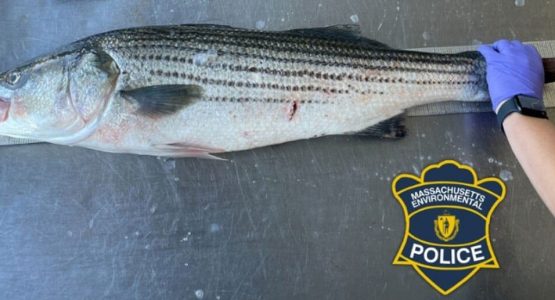
324 Pounds of Illegal Striped Bass Seized in Chatham
Massachusetts Boating Safety Grace Period Ends
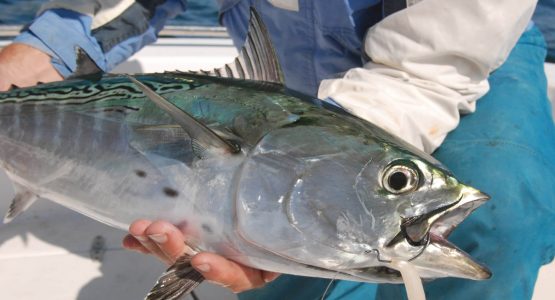
New England Fall Fishing Blitz Starts Early
House Passes Bill Delaying New Right Whale Rules Until 2035
14-Year-Old Angler Lands Rare 45-Pound Cubera Snapper on Nantucket
Rhode Island Black Sea Bass Limits Increase Sept. 1

MA Anglers Land Massive 1,260-Pound Blue Marlin Off Cape Cod