
Coast Guard Suspends Search For Crew Of Missing Fishing Boat
January 30, 2026
Sea Ray Unveils New SLX 360
February 2, 2026

MA Makes It Easier To Remove Fishing Gear Debris
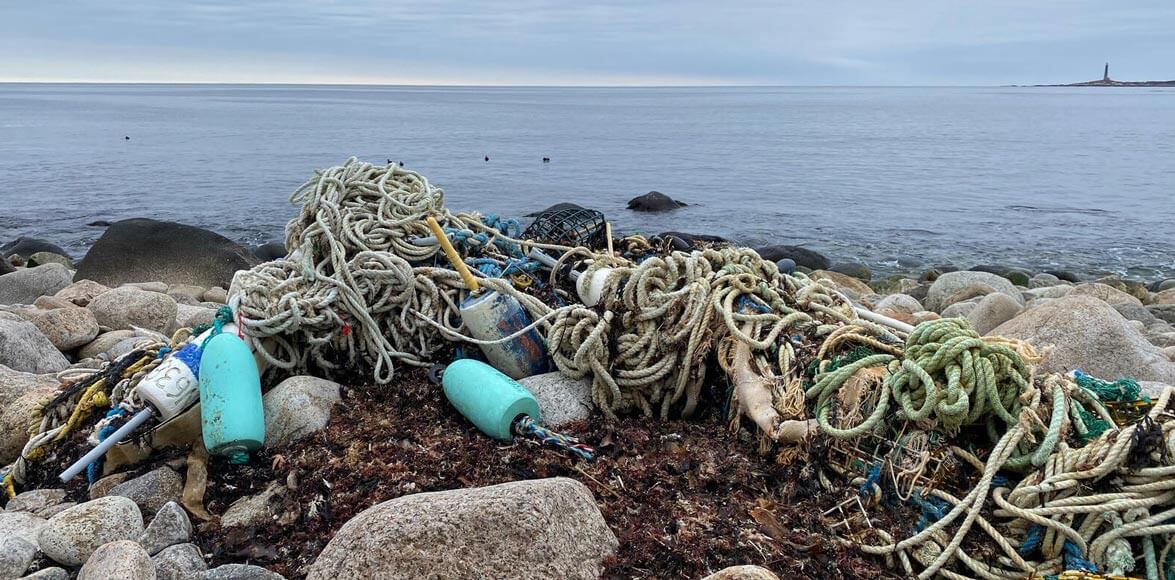
Marine debris. Photo/Massachusetts Division of Marine Fisheries
New Massachusetts regulations make it easier to remove fishing gear debris from the Bay State’s coast and waters.
State officials said the new regulations streamline the removal of derelict fishing gear while protecting functional fishing gear and minimizing conflicts on the water. The regulations took effect on January 30, 2026.
Fishing gear debris—which is defined as gear that is not intact, does not function as intended, or is set during a closed season—can harm marine life and create safety hazards for anglers, boaters, and beachgoers. Lost or abandoned gear can ghost fish, or continue to catch and kill marine life, and pose entanglement risks for endangered marine mammals and sea turtles. It also creates significant hazards for mariners, commercial fishermen, and beachgoers by impeding navigation, creating conflicts, and posing risks to public safety.
Prior to changes, antiquated state law constrained the cleanup of fishing gear debris by affording the gear property rights. This dated back to a time when much of the fishing gear used was salvageable and biodegradable wooden lathe traps. Today, most fishing gear debris consists of plastic-coated metal traps, which are not biodegradable and often not salvageable.
In 2022, the Massachusetts Division of Marine Fisheries established the Derelict Gear Task Force that included government officials, fishing industry representatives, law enforcement, and conservation partners with experience researching and removing derelict gear. The Task Force produced a report outlining strategies to tackle this growing issue. In 2025, state law was amended to enable cleanup efforts for the first time since 1940.
While DMF officials have previously collaborated with Massachusetts Environmental Police to clean up derelict gear and ensure compliance with fishing regulations, the new regulations allow DMF to permit local leaders, community organizations, and other partners to conduct coastal cleanups.

We offer the latest boat releases, electronics, gear, and dock-and-dine experiences. Engage yourself with captivating TV shows and short videos, immersing you in New England’s maritime adventures.
REGIONAL NEWS