New PFD Age Law Takes Effect In Maine
January 6, 2026
MA Towns Get $45K To Improve Fishing Access
January 8, 2026

Recreational Shellfishing Returns to Boston Harbor
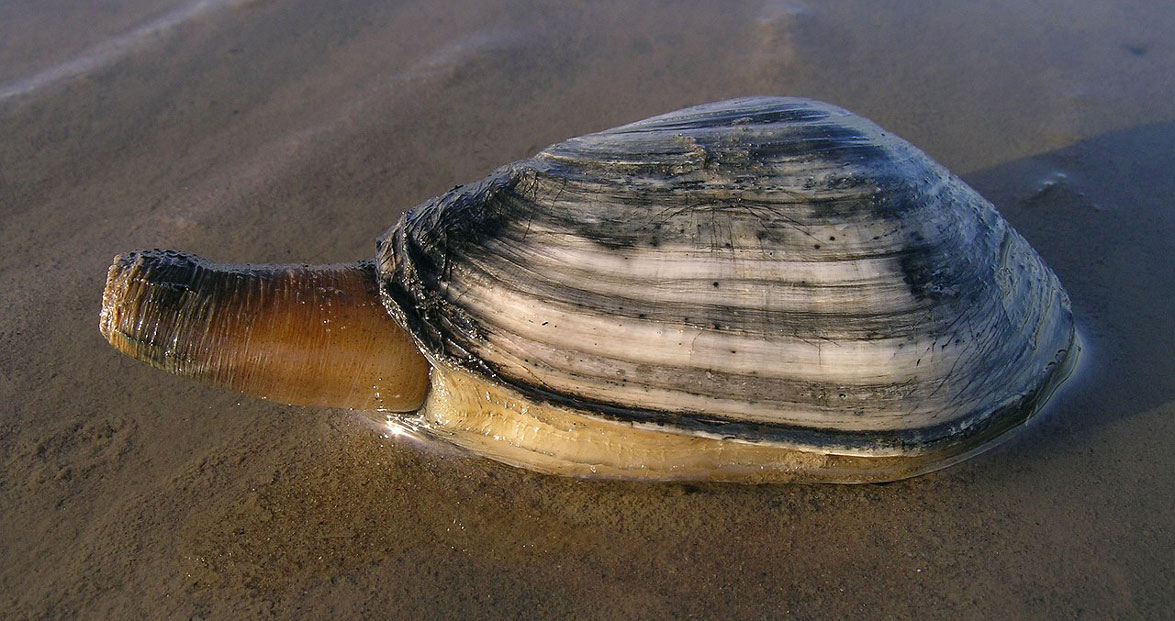
Soft-shelled clam. Photo/Oscar Bos, Ecomare via Wikimedia Commons
For the first time in more than 100 years, recreational shellfishing for human consumption will soon be allowed in areas of Boston Harbor.
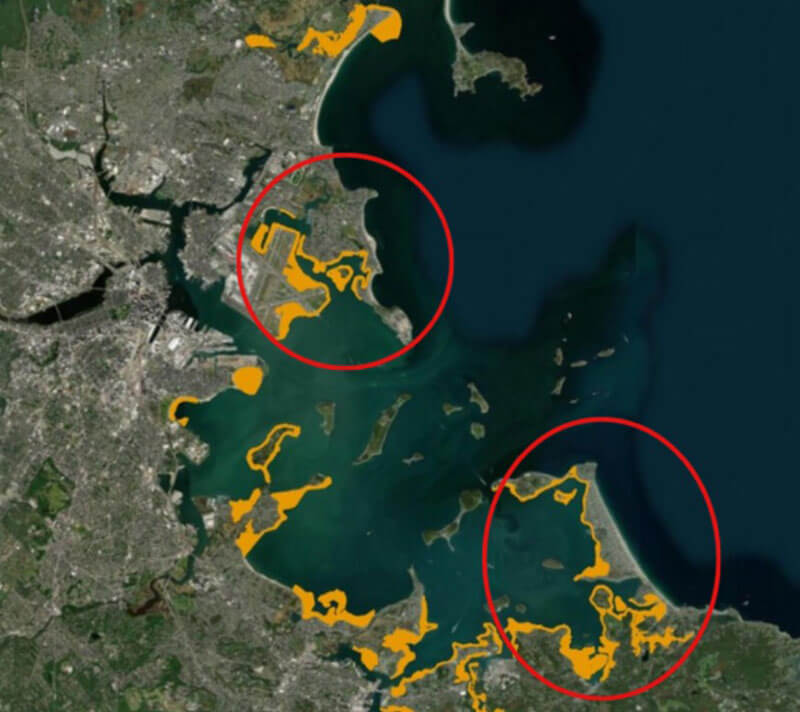
Portions of the areas within the red circles of the productive shellfish habitat in greater Boston Harbor (shown in yellow) now meet water quality standards to allow direct harvest of shellfish for the first time in 100 years. (MA DMF Image)
After a decades-long, multi-billion-dollar clean up of the harbor, officials with the Massachusetts Division of Marine Fisheries (DMF) recently announced water quality has improved enough to reclassify certain areas of the harbor to “Conditionally Approved,” allowing shellfishing for direct human consumption.
These areas include some of the most productive shellfish habitats in the state in parts of Winthrop, Hingham, and Hull. Both commercial and recreational shellfishers will be allowed to harvest shellfish for their personal use or direct sale into commerce for the first time in a century.
In 1925, a national typhoid epidemic caused by the consumption of contaminated oysters led to the closure of almost all of Boston Harbor to shellfishing. Since then, only specially-licensed harvesters have been permitted into certain areas to access moderately-contaminated softshell clams destined for a shellfish purification facility.
Although some areas have been harvested over the years on a limited basis, soft-shelled clams were required to be sent to DMF’s shellfish depuration plant in Newburyport, where the clams were purified before they could go to market.
While the depuration process makes shellfish safe to eat, it is expensive, labor intensive, and is limited to a few specially-trained and certified commercial harvesters. That meant most residents could not benefit from the fishery.
While DMF officials have completed their analysis showing that large areas of the Outer Harbor are clean enough to be reclassified for direct harvest, they still need to coordinate with local municipalities before reopening. As a home-rule state, Massachusetts is one of only two in the country that cedes management of shellfishing in clean waters to the local cities and towns.
Because Winthrop, Hingham, and Hull have no history of managing shellfisheries, additional steps are needed before they can allow shellfishing in their communities.
Those steps include developing a local management plan to specify how the fishery will be managed sustainably, establishing a local permitting system, and hiring a local shellfish constable to oversee all aspects of the fishery.
DMF officials said they expect areas to begin opening to shellfishing in 2026 as the requirements are put in place.

We offer the latest boat releases, electronics, gear, and dock-and-dine experiences. Engage yourself with captivating TV shows and short videos, immersing you in New England’s maritime adventures.
REGIONAL NEWS

Tall Ships Return To Boston In July
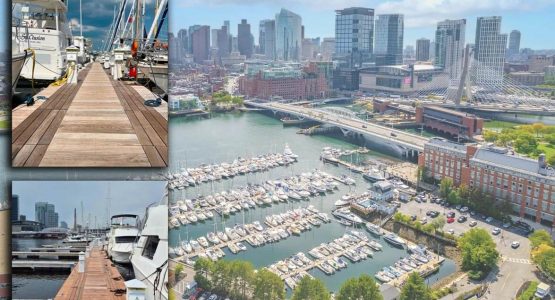
New Docks For Constitution Marina
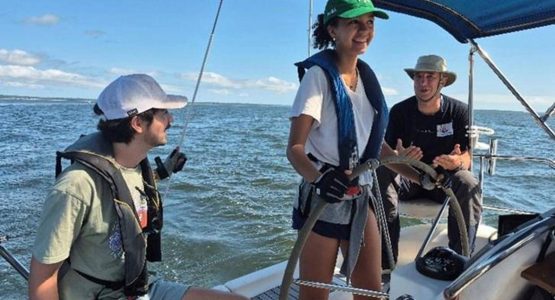
RI Hosts Women In Sailing Conference
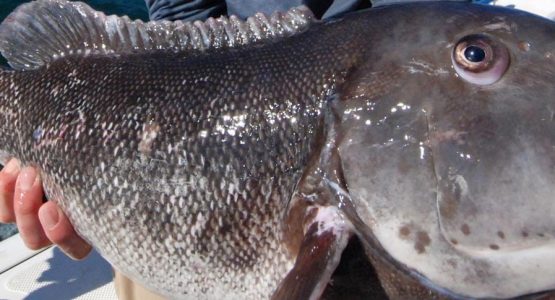
Fishing Mattapoisett, Massachusetts
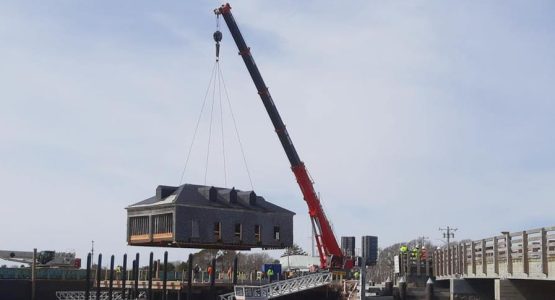
Historic Boathouse Returns To Chatham
Marina Profile: Boothbay Harbor Marina, Maine
Fishing Portland, Maine
Marina Profile: Champlin’s Marina & Resort, Rhode Island
Rhody Regatta Set For May 30
Marina Profile: Bridgeport Harbor Marina, Connecticut
5 Southern New England Fishing Tournaments We Can’t Wait For
Fish for Landlocked Salmon In NH Beginning April 1