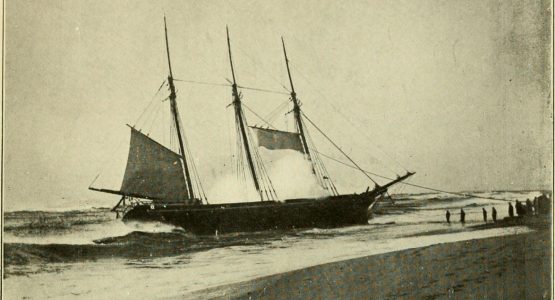

Rising Tide Traps Nine Anglers on Connecticut Breakwater
August 18, 2026
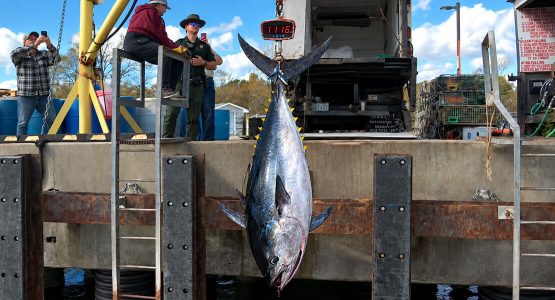
Maine Anglers Land Massive 770-Pound Bluefin Tuna in Casco Bay
August 21, 2026

ASA SAYS DECREASE IN FISHING PARTICIPATION FIRST SINCE 2021
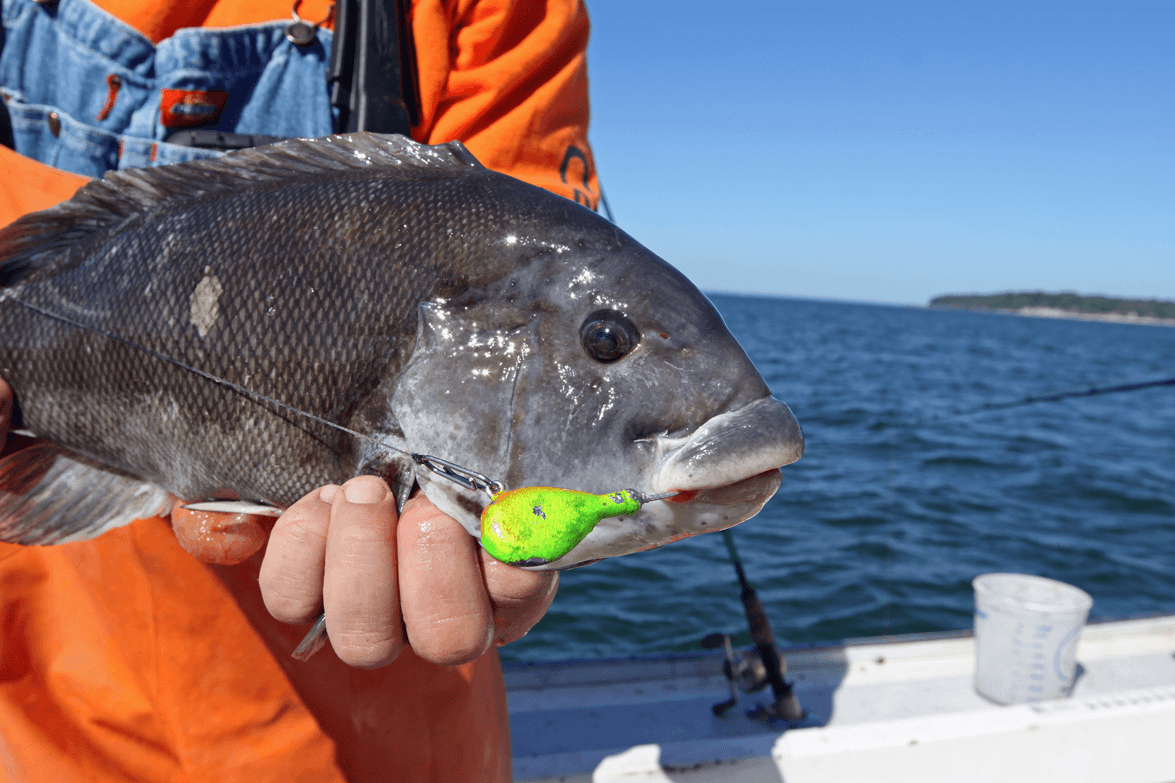
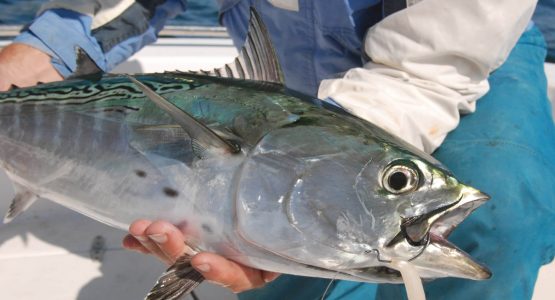
A fisherman holds a large black fish caught on a boat. Photo Courtesy of Tom Schlichter.
A 2026 Special Report on Fishing released July 30th by the American Sportfishing Association (ASA) and the Outdoor Industry Association, reveals the first decline in fishing participation since 2021.
In total, 900,000 fewer anglers participated in fishing across the United States in 2025, falling to 57 million. However, the report also shows saltwater fishing grew in popularity with 15.5 million anglers in 2025 from 15.1 million a year prior. According to the report, 18% of all saltwater anglers call the northeast home. ASA also notes continued growth in participation among youth, Black, Hispanic, and female anglers.
Separate reporting from ASA and Southwick Associactes breaks down total anglers (both fresh and saltwater), as well as the economic contributions of recreational fishing, in each of the New England states:
♦ CT: 147,760 anglers / $2.9 billion impact
♦ RI: 96,700 anglers / $552 million
♦ MA: 273,850 anglers / $1.7 billion
♦ NH: 180,400 anglers / $1.1 Billion impact
♦ VT: 122,920 anglers / $599 Million impact
♦ ME: 367,120 anglers / $2 billion impact
According to ASA, the decline has been driven by factors such as crowded, dirty waters, high equipment costs, and an abrupt halt in federal funding for outreach and recruitment programs.
The abrupt pause in early 2025 of federal funding authorized under the Dingell-Johnson Acts’s National Outreach and Communications Program that supports introductory fishing programs, angler recruitment, retention and reactivation campaigns – as well as fishing-specific marketing efforts - left many new or returning anglers without access to critical resources needed to get on the water.
This dip, points out ASA, threatens conservation efforts as anglers provide most funding for fisheries through excise taxes authorized by the Dingell-Johnson Act and fishing license sales. Since 1950, Dingell-Johnson has generated over $12 billion for fisheries conservation.
While the report reveals immediate concerns with decreasing participation, the long-term trend remains positive, with overall fishing participation up from only 45.9 million anglers a decade ago.
Written by Tom Schlichter

We offer the latest boat releases, electronics, gear, and dock-and-dine experiences. Engage yourself with captivating TV shows and short videos, immersing you in New England’s maritime adventures.
REGIONAL NEWS