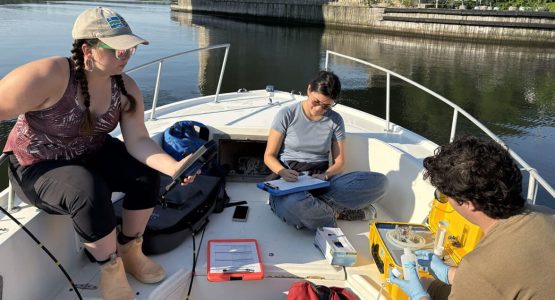

The Toll of the September Nor’easter
October 5, 2026
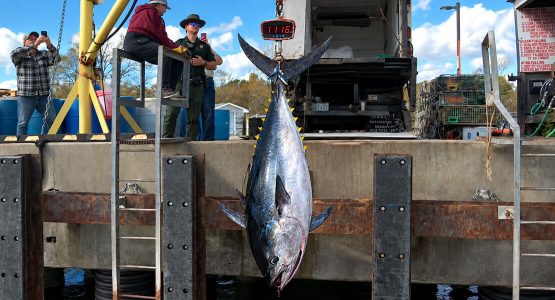
1,116-Pound Bluefin Tuna Shatters NH Record
October 9, 2026

Osprey Breeding Declines Across New England as Menhaden Shortage Grows
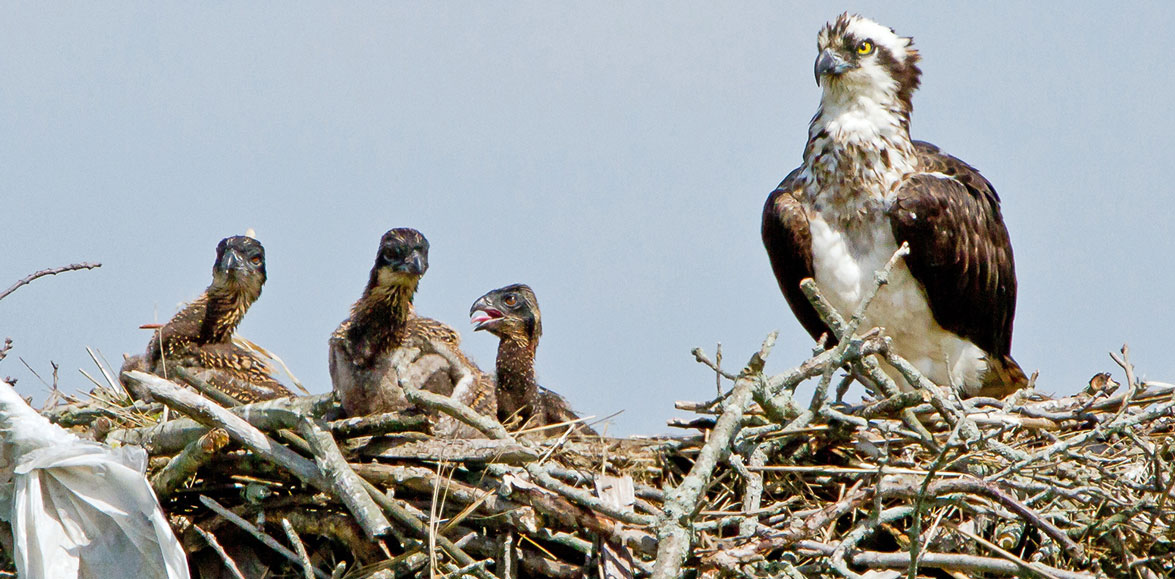
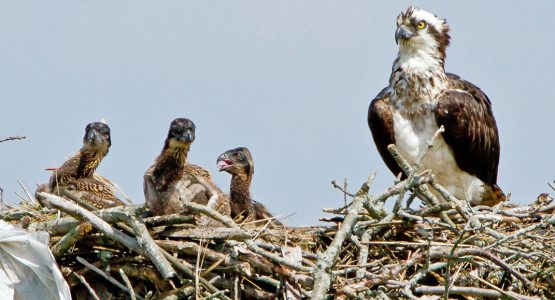
An osprey nest. Photo courtesy Audubon Society of Rhode Island, EcoRI News by Butch Lombardi.
Did you feel as though you saw fewer fledgling osprey than usual this past summer? If so, your eyes aren’t deceiving you. Osprey populations across New England are experiencing significant breeding failures. Data compiled through September 2026 confirms that a severe shortage of Atlantic menhaden (“pogies”)—the oily forage fish essential to the raptor’s coastal diet—has triggered widespread nest abandonments and high chick mortality from Connecticut to Maine.
The crisis is most acute in southern New England. According to the Audubon Society of Rhode Island, only 38% of 339 monitored nests successfully fledged young in 2026, down from 70% in 2025. The state averaged just 0.33 young per breeding pair, well below the 0.8 to 1.3 threshold required to sustain a stable population. In Connecticut, the Connecticut Audubon Society reported that 1 in 4 nests failed by August, compared to 1 in 6 last year. At Great Island in Old Lyme, only five chicks fledged all summer.
Further north, Mass Audubon joined wildlife officials in New Hampshire and Maine to sound the alarm on similar downward trajectories. While adult pairs return healthy each spring, nests fail en masse once eggs hatch and parents cannot find adequate prey.
Experts point to food stress from overfishing as the root cause. A coastwide study by the Center for Conservation Biology, notes that industrial “reduction fishing” fleets further south vacuum up millions of pounds of menhaden annually for animal feed and fish oil. Biologist Alan Poole notes this localized depletion starves migrating gamefish and deprives raptors of nutrient-dense baitfish needed to feed broods.
To rectify the situation, regional advocates are lobbying the Atlantic States Marine Fisheries Commission (ASMFC). Conservation groups want a 50% reduction in the industrial commercial harvest cap to protect the coastal food web. The ASMFC will vote on this cap for the 2027 season during its November 2026 Annual Meeting. Public comments will be accepted until 11:59 p.m. on October 9.
In addition to providing comments on the matter, New England residents can help by becoming volunteer osprey nest monitors. In Connecticut, citizens can join the Osprey Nation program managed by the Connecticut Audubon Society. In Rhode Island, the Audubon Society of Rhode Island coordinates a statewide monitoring network in which volunteers track a specific nest for 15 to 30 minutes weekly from April through August.

We offer the latest boat releases, electronics, gear, and dock-and-dine experiences. Engage yourself with captivating TV shows and short videos, immersing you in New England’s maritime adventures.
REGIONAL NEWS