1,116-Pound Bluefin Tuna Shatters NH Record
October 9, 2026
7-Year Maritime Mystery: Wreck Found Near Wind Turbine
October 13, 2026

31 Whales Entangled Off East Coast in 2026, Most in New England
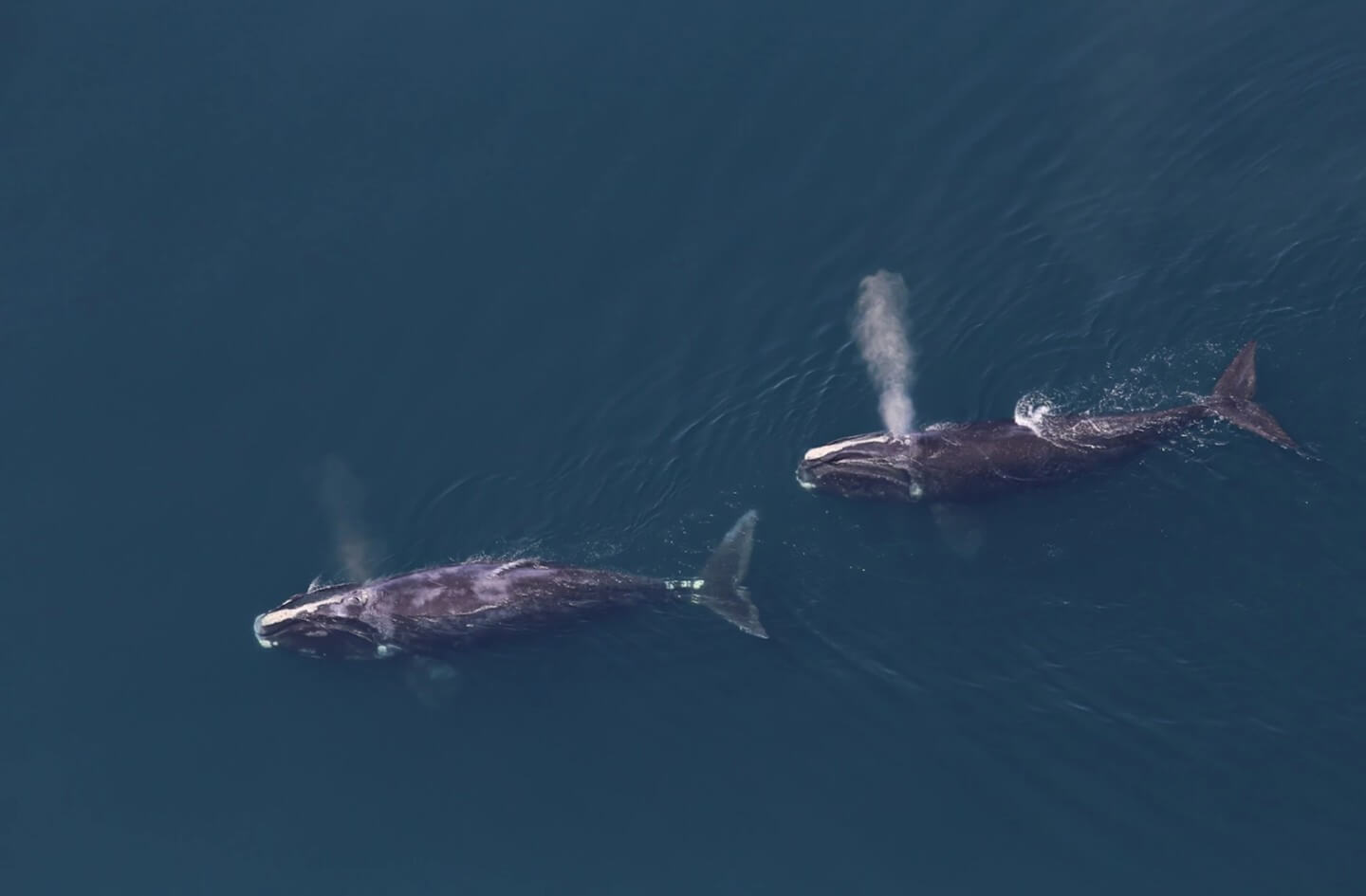
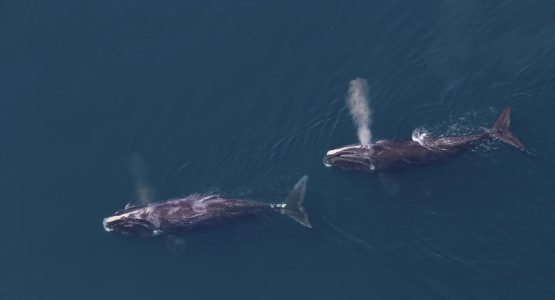
Two North Atlantic right whales photographed by the NOAA’s Northeast Fisheries Center aerial survey team in May 2016. Tim Cole/NOAA Fisheries, NEFSC
According to an October 1, 2026 press release issued by the Center for Biological Diversity, there have already been 31 confirmed entanglements of large whales along the U.S. East Coast in 2026 — a troubling figure that highlights ongoing risks to marine mammals, including the critically endangered North Atlantic right whale.
Based on an analysis of NOAA data, the announcement noted that the most entanglements occurred in New England waters, with the highest numbers off Massachusetts (8 cases), followed by Maine (6), Rhode Island (3), and New Hampshire (2). The remaining 12 incidents were reported from waters off the Mid-Atlantic states, including New York, New Jersey, and Virginia.
The release also highlighted that the past decade has been deadly for whales and sea turtles, with at least 335 whale entanglements recorded off the Northeast and Mid-Atlantic coasts between 2017 and 2026. These numbers only reflect instances when a whale is seen actively entangled.
According to the NOAA Fisheries Right Whale Species Page, the North Atlantic right whale population is currently estimated at fewer than 380 individuals, with fewer than 70 reproductively active females remaining. Entanglement in fishing gear — particularly lobster and crab trap lines — remains one of the leading causes of injury and death for the species. Of the decade’s 335 documented East Coast entanglements, 50 involved right whales.
The Maine Lobstermen’s Association (MLA) has expressed concern over the data, noting that the industry has already implemented gear modifications and seasonal closures.
“We’ve made significant changes to protect whales, but more needs to be done collaboratively, not just by targeting one fishery,” said MLA President Kristan Porter in a recent statement.
Environmental groups, including the Conservation Law Foundation, are calling for expanded use of “ropeless” or “on-demand” fishing gear, which eliminates vertical lines in the water column. Instead of a fixed rope from trap to buoy, ropeless systems store the rope and buoy with the trap on the seafloor. When fishermen return, they trigger a release — often via an acoustic signal — that sends the buoy to the surface for retrieval, reducing the risk of whale entanglement.
NOAA has indicated it will continue aerial and vessel-based monitoring of entanglements through the fall migration season and is urging mariners to adhere to seasonal speed restrictions in designated right whale protection zones.
In addition to entanglement, right whales also face serious threats to their survival as a species from vessel strikes, changing environmental conditions which may alter their migratory patterns and feeding areas, as well as the impacts of ocean noise on their ability to communicate, find food, and navigate.
Written by Tom Schlichter

We offer the latest boat releases, electronics, gear, and dock-and-dine experiences. Engage yourself with captivating TV shows and short videos, immersing you in New England’s maritime adventures.
REGIONAL NEWS

7-Year Maritime Mystery: Wreck Found Near Wind Turbine
31 Whales Entangled Off East Coast in 2026, Most in New England
1,116-Pound Bluefin Tuna Shatters NH Record

Menhaden Shortage Threatens New England Ospreys
The Toll of the September Nor’easter
Hidden Compartment Leads to Illegal Striper Bust on Cape Cod
Nor’easter Uncovers 1884 Shipwreck on Nantucket Beach
Long Island Sound Report Card Shows Improving Open-Water Quality
Powerful Nor’easter Threatens New England Boaters This Weekend
Rare Cotton Candy Lobster Caught Off Maine Coast
Discover Boating® Norwalk Boat Show Celebrates 50 Years!
ASMFC Seeks Public Input on Atlantic Menhaden Fishing Rules