
Arctic Water Pulse Costs Squid Fleet $6.5 Million
October 21, 2026

Scientists Track Speedy Atlantic Bonito in New Study
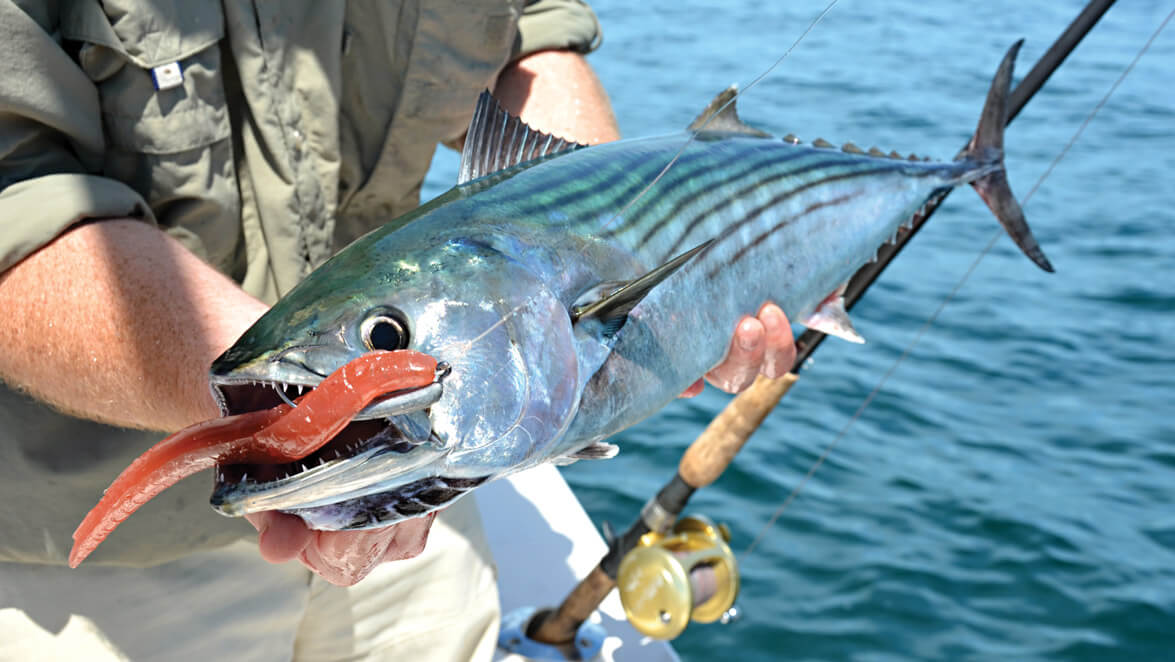
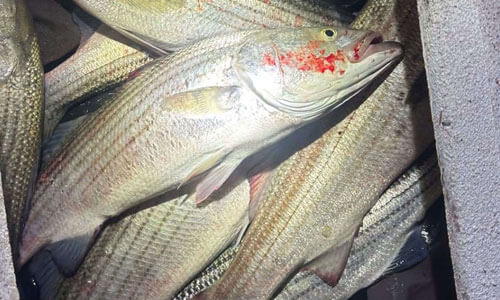
An Atlantic Bonito. Photo/NEF
The Nature Conservancy in Massachusetts recently broke an exciting marine mystery story on its website blog: scientists are officially tracking the elusive Atlantic bonito along the East Coast! This September, off the Massachusetts coast, a high-tech fishing expedition successfully caught, tagged, and released 15 of the speedy game fish. Equipped with tiny, surgically implanted transmitters, these underwater racers are now broadcasting their secret journeys in real time.
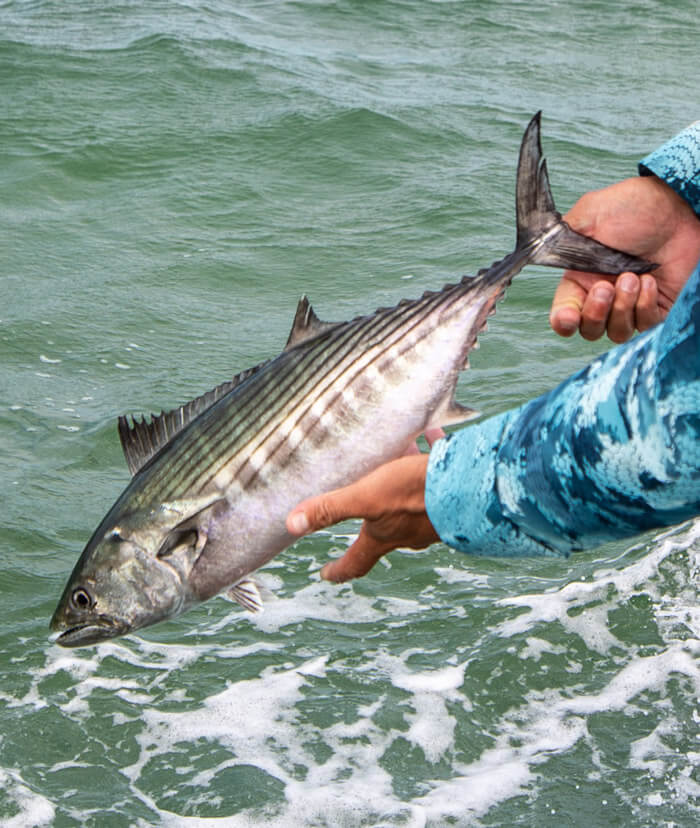
An Atlantic bonito is released after it was tagged as part of a coastwide effort to track the species’ movements along the East Coast. © Vanessa Kahn/New England Aquarium
This collaborative study, co-led by The Nature Conservancy and the New England Aquarium, forms part of a massive coast-wide tracking effort. The study leaders are now teaming-up with scientific partners in New York, New Jersey, North Carolina, and South Carolina to solve a frustrating biological riddle. Even though these hard-fighting fish are local favorites for saltwater anglers, marine scientists surprisingly know very little about where they travel seasonally, how far they migrate, or how interconnected the regional populations are between states.
To pull back the curtain, researchers are using acoustic telemetry. Each time a tagged bonito zooms past one of the hundreds of receivers anchored to the ocean floor from Florida to Canada, the device logs its unique “ping” and time. Scientists share this data across a collaborative national network to map historic migratory routes that have never been documented before.
The project aims to discover exactly how long bonito linger in different regions, and if the same fish are facing heavy angling pressure across multiple states. Right now, bonito remain largely unregulated along the Atlantic coast, but positive conservation shifts are already happening. TNC recently partnered with the Massachusetts Division of Marine Fisheries to establish proactive, precautionary catch limits in local waters. North Carolina has followed suit, and several other states are weighing similar management options. Every newly tagged fish adds a vital piece to the puzzle, building a coast-wide picture to protect this iconic species.
Arriving in the region as coastal waters warm during the summer months, bonito school tightly act as a crucial ecological bridge. They help regulate populations of smaller forage species—such as juvenile menhaden, silversides and sand eels, while simultaneously serving as a high-energy fodder for apex predators including large tunas, sharks, and billfish.
Recreational anglers celebrate bonito as speed,, hard-fighting game fish that put light tackle to the test with blistering runs. Members of the mackerel family, Atlantic Bonito are powered by a hydrodynamic body-shape similar to tuna but smaller and more stream-lined. They are capable of attaining leaping speeds of 40 m.p.h. and can measure up to 40 inches in length, as documented by species profiles on Guidesly and wildlife reviews via ThoughtCo.

We offer the latest boat releases, electronics, gear, and dock-and-dine experiences. Engage yourself with captivating TV shows and short videos, immersing you in New England’s maritime adventures.
REGIONAL NEWS