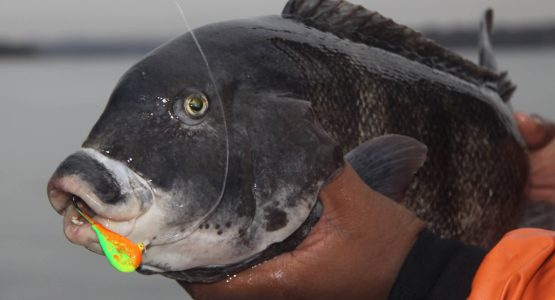
Tautog Bag Limit Jumps to 5 Fish in MA and RI October 15
October 15, 2026

Arctic Cold Water Pulse Costs New England Squid Fishery $6.5 Million
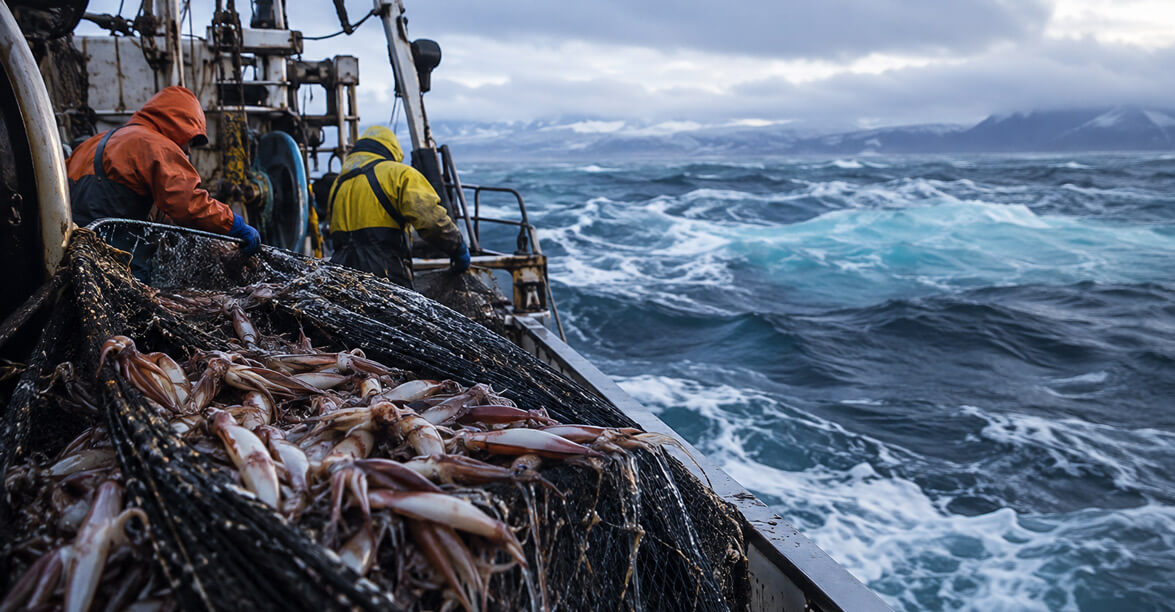
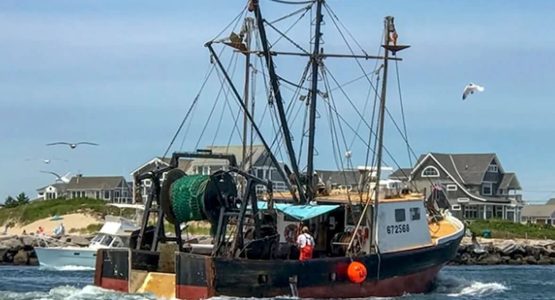
Illustration of fleet created with AI.
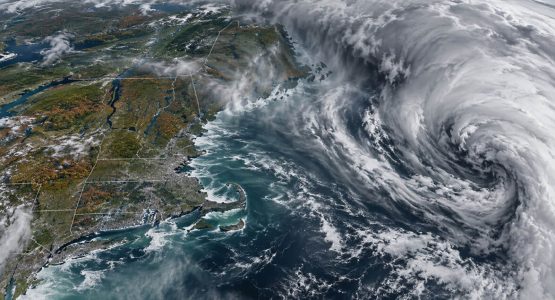
A new study led by the Woods Hole Oceanographic Institution (WHOI) reveals that a massive pulse of cold, fresh water disrupted marine ecosystems and fisheries from New England to the Mid-Atlantic between 2023 and 2024. Published in the Journal of Geophysical Research: Oceans, the research documents a complex environmental “seesaw” between northern Arctic flows and warm Gulf Stream waters.
Researchers believe the anomaly originated in the Labrador Sea and Grand Banks, moving south due to atmospheric shifts and a repositioned Gulf Stream. During this cold pulse, surface temperatures across the continental shelf and slope plunged 5 to 9 degrees Fahrenheit below the 20-year average, causing significant shifts in marine wildlife patterns. Long-standing commercial targets like shortfin and longfin squid sharply declined, while cold-water species like mackerel rebounded from historical lows.
The economic consequences have been severe, particularly for the southern New England longfin squid industry. According to NOAA Fisheries data, the commercial longfin squid harvest plummeted by 25.6% (10 million pounds) between 2023 and 2024, resulting in a $6.5 million drop in value. Target species either arrived months behind schedule or skipped their traditional spring runs entirely.
“The coastal ocean in the northeastern U.S. has a very complicated seesaw between flow from the north bringing cold fresh water and flow offshore from the Gulf Stream bringing warm, salty water, and those influences swing back and forth,” said Woods Hole Oceanographic Institution Senior Scientist Glen Gawarkiewicz, lead author of the study. “It’s always in flux.”
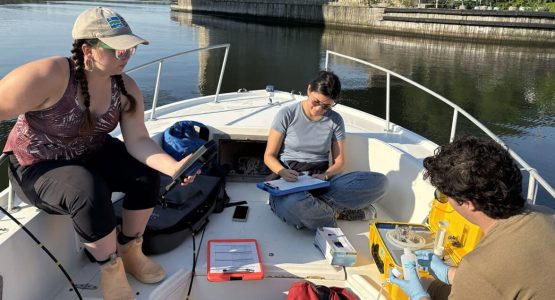
Crucial to the study was a direct collaboration between the scientific community and local fishers. Scientists analyzed five distinct datasets, which included 11 years of vertical ocean profiles collected directly by active commercial fishing vessels. This fleet data was gathered through a long-term partnership with the Commercial Fisheries Research Foundation of Rhode Island (CFRF).
Co-authors from NOAA’s Northeast Fisheries Science Center emphasized that small trajectory shifts in large-scale ocean currents like the Gulf Stream create dramatic local changes. Ultimately, the study highlights how pairing the firsthand observations of fishing communities with broader scientific context is vital to predicting and adapting to an increasingly uncertain ocean environment.
For more information, read the official press release on Newswise or explore ongoing data collection initiatives at the CFRF Shelf Research Fleet Project.

We offer the latest boat releases, electronics, gear, and dock-and-dine experiences. Engage yourself with captivating TV shows and short videos, immersing you in New England’s maritime adventures.
REGIONAL NEWS