
Dock & Dine: Best Places to Watch Fourth of July Fireworks by Boat in New England
July 2, 2026
More Sailboats Expected Through the Cape Cod Canal This Week
July 9, 2026

U.S. Coast Guard Embraces Electronic Distress Signals
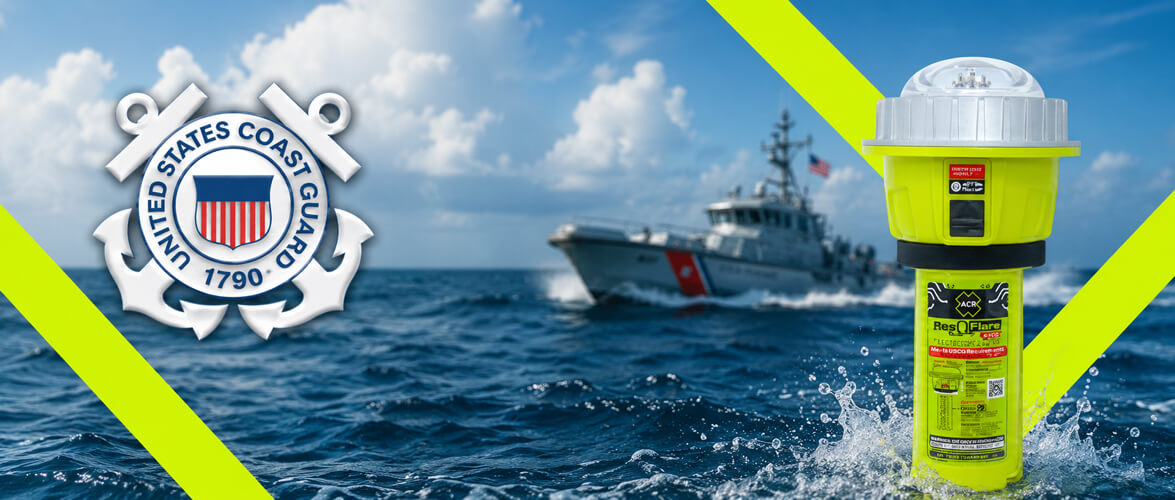
Pictured an Electronic Visual Distress Signal from ACR in this NEB generated image.
The U.S. Coast Guard is moving away from traditional pyrotechnic flares aboard its own vessels, adopting approved Electronic Visual Distress Signaling Devices (eVDSDs) as part of a broader effort to improve marine safety.
Unlike conventional flares that burn for less than a minute, electronic distress devices use bright LED lights that flash the international SOS pattern for several hours. They produce no flame, generate no hazardous residue, and eliminate concerns over expired pyrotechnic flares that require replacement every few years.
Many Coast Guard-approved electronic distress devices, when carried with a required orange daytime distress flag, now meet federal visual distress signal requirements for most recreational boats operating on coastal waters and the Great Lakes.
Boaters should make sure any electronic distress light they purchase is Coast Guard-approved, as not all LED safety lights qualify. While electronic devices offer longer life and easier maintenance, many experienced mariners still recommend carrying multiple ways to signal for help, including a VHF marine radio and, for offshore trips, an EPIRB or Personal Locator Beacon.
The Coast Guard’s transition reflects the growing acceptance of electronic distress technology and marks an important step toward modernizing emergency signaling equipment for recreational and commercial boaters alike.

We offer the latest boat releases, electronics, gear, and dock-and-dine experiences. Engage yourself with captivating TV shows and short videos, immersing you in New England’s maritime adventures.
REGIONAL NEWS

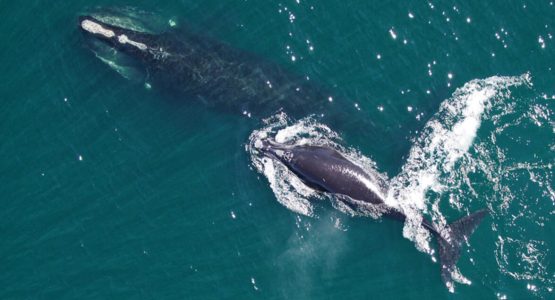
House Passes Bill Delaying New Right Whale Rules Until 2035
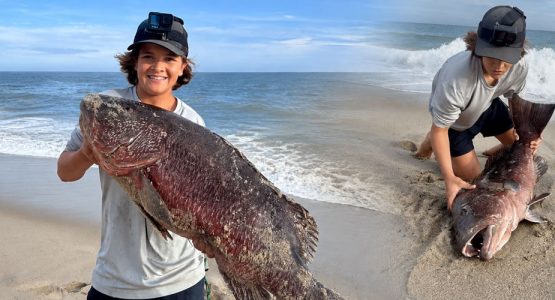
14-Year-Old Angler Lands Rare 45-Pound Cubera Snapper on Nantucket
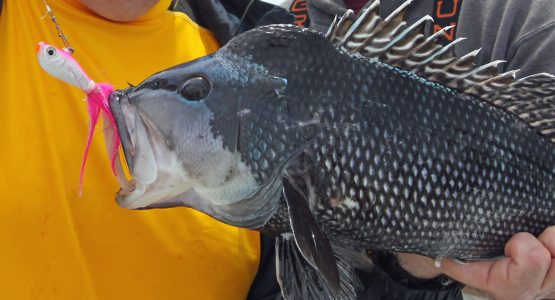
Rhode Island Black Sea Bass Limits Increase Sept. 1
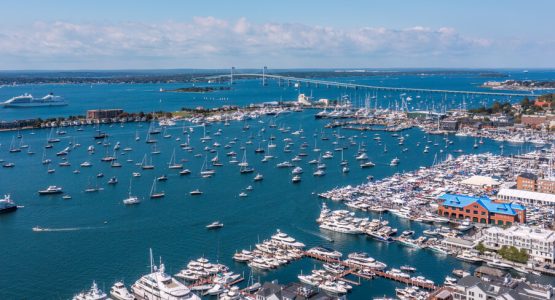
Newport Boat Show Returns Sept. 17–20
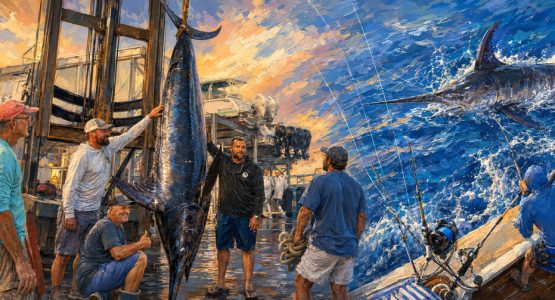
MA Anglers Land Massive 1,260-Pound Blue Marlin Off Cape Cod

New England Ports Rank Among America’s Best Boating Destinations
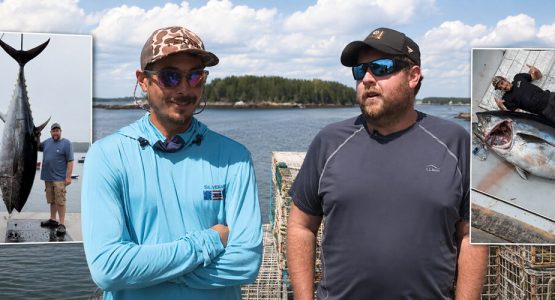
Maine Anglers Land Massive 770-Pound Bluefin Tuna in Casco Bay
ASA SAYS DECREASE IN FISHING PARTICIPATION FIRST SINCE 2021

Rising Tide Traps Nine Anglers on Connecticut Breakwater

Shark Encounter Pulls Maine Lifeguard Underwater at Scarborough Beach

The Prestige at Heritage Brings Classic Cars to Cape Cod Sept. 12–13