
Great White, Great Spectacle: Angler Hooks Shark Off Nantucket’s South Shore
June 11, 2026
Missing Rockland Boater Recovered from Chickawaukie Pond
June 15, 2026

Vermont Tightens Wake Boat Rules, Expands Restrictions on Popular Lakes
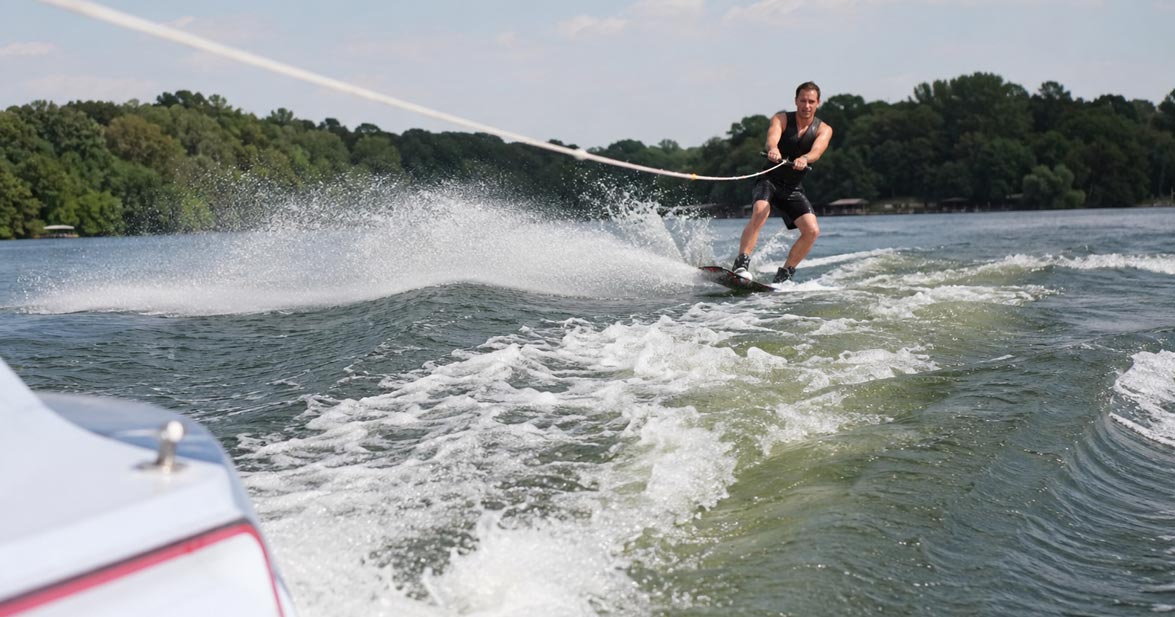
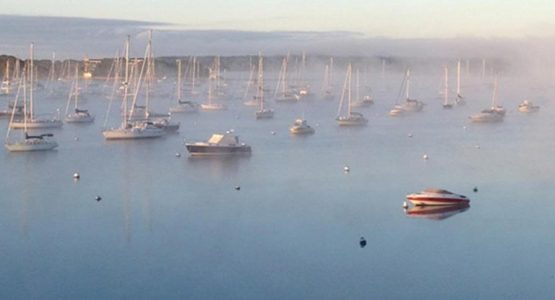
Photo/NEB AI generated
Boaters in Vermont are facing some of the strictest wake boat regulations in the country as new rules take effect this month, including a 500-foot buffer requirement and expanded restrictions on where wake boats can operate.
The regulations are aimed at addressing concerns about shoreline erosion, water quality, wildlife habitats, and conflicts between wake sports enthusiasts and other recreational users of Vermont’s lakes and ponds.
Under the new framework, specialized wake boats will be limited to designated areas on a small number of Vermont waterways. State officials have approved rules that allow wake boating on only a fraction of the state’s more than 800 lakes and ponds, while several popular destinations will prohibit the activity entirely.
One of the most significant changes is the introduction of a 500-foot separation requirement. In areas where wake sports remain permitted, vessels must stay at least 500 feet away from other boats, swimmers, paddlers, and recreational users. Violators can face fines of up to $300.
Supporters of the restrictions argue that the large waves created by wake boats can damage sensitive shorelines, disturb wildlife, and create safety concerns for smaller watercraft. Lake advocates say the rules are especially important for protecting fragile ecosystems and preserving the character of smaller inland lakes.
The debate has divided residents, environmental groups, and boating enthusiasts across the state.
Wake boat supporters contend that the sport contributes to local economies and attracts visitors to Vermont’s waterways. Some opponents of the new rules argue that the 500-foot buffer requirement is impractical and that policymakers have not fully considered scientific research regarding the environmental impacts of wake boats.
The issue generated substantial public interest during the rulemaking process. State officials reportedly received more than 1,500 public comments, with many residents calling for even stronger protections for lakes and ponds.
Several lakes will no longer permit wake boating under the new rules, including Lake Iroquois, Waterbury Reservoir, Joe’s Pond, and Lake Fairlee.
While environmental advocates welcomed the decision, some boating organizations warned that concentrating wake boats onto fewer waterways could increase pressure on the lakes that remain open to the activity.
The debate also reached Vermont lawmakers, with some elected officials expressing concerns that portions of the proposal lacked sufficient scientific justification, while others emphasized the need to prioritize water quality and long-term environmental stewardship.
As the new regulations take effect, Vermont’s approach is likely to remain a closely watched example in the broader national conversation about balancing recreation, environmental protection, and lake management.
By: Zavia Walker

We offer the latest boat releases, electronics, gear, and dock-and-dine experiences. Engage yourself with captivating TV shows and short videos, immersing you in New England’s maritime adventures.
REGIONAL NEWS

Tautog Bag Limit Jumps to 5 Fish in MA and RI October 15
7-Year Maritime Mystery: Wreck Found Near Wind Turbine
31 Whales Entangled Off East Coast in 2026, Most in New England
1,116-Pound Bluefin Tuna Shatters NH Record

Menhaden Shortage Threatens New England Ospreys

The Toll of the September Nor’easter
Hidden Compartment Leads to Illegal Striper Bust on Cape Cod
Nor’easter Uncovers 1884 Shipwreck on Nantucket Beach
Long Island Sound Report Card Shows Improving Open-Water Quality
Powerful Nor’easter Threatens New England Boaters This Weekend
Discover Boating® Norwalk Boat Show Celebrates 50 Years!
ASMFC Seeks Public Input on Atlantic Menhaden Fishing Rules