
Cape Cod Blue Water Classic Returns Next Week
July 9, 2026
New York Man Charged in Fatal Connecticut Canoe Accident
July 13, 2026

Right Whale Slow Zone Established Near Nantucket
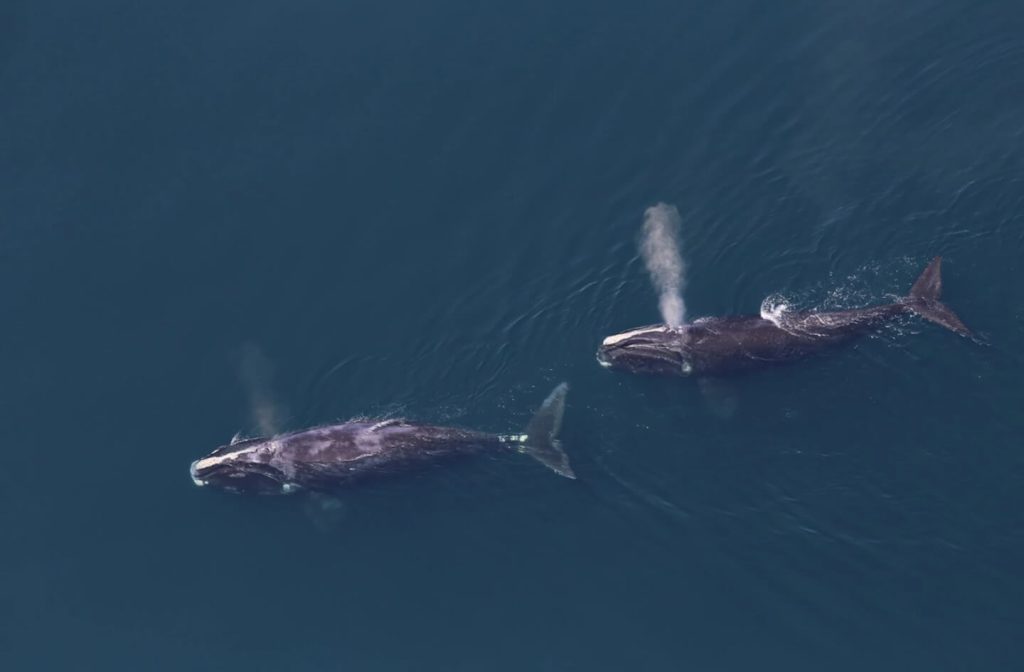
Two North Atlantic right whales photographed by the NOAA’s Northeast Fisheries Center aerial survey team in May 2016. Tim Cole/NOAA Fisheries, NEFSC
If you’re planning to head offshore this week, keep an eye on where you’re boating.
NOAA has established a voluntary Right Whale Slow Zone southwest of Nantucket after endangered North Atlantic right whales were detected in the area by the Woods Hole Oceanographic Institution‘s Martha’s Vineyard acoustic buoy.
Boaters traveling through the zone are being asked to either avoid the area if possible or reduce their speed to 10 knots or less through July 13. Slowing down gives captains more time to spot whales and helps reduce the risk of vessel strikes, one of the leading causes of injury and death for these critically endangered animals.
The waters around Cape Cod, Martha’s Vineyard and Nantucket are important feeding and migration areas for North Atlantic right whales. Scientists continue to monitor whale activity throughout the season using acoustic buoys, aerial surveys and vessel reports.
With fewer than 380 North Atlantic right whales believed to remain in the wild, every effort to protect them makes a difference. Whether you’re fishing, cruising or heading offshore, slowing down in areas where whales have been detected helps keep both wildlife and boaters safe.

We offer the latest boat releases, electronics, gear, and dock-and-dine experiences. Engage yourself with captivating TV shows and short videos, immersing you in New England’s maritime adventures.
REGIONAL NEWS

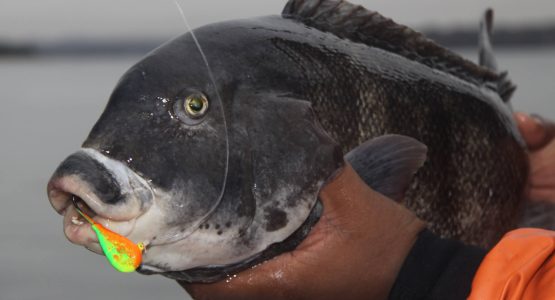
Tautog Bag Limit Jumps to 5 Fish in MA and RI October 15
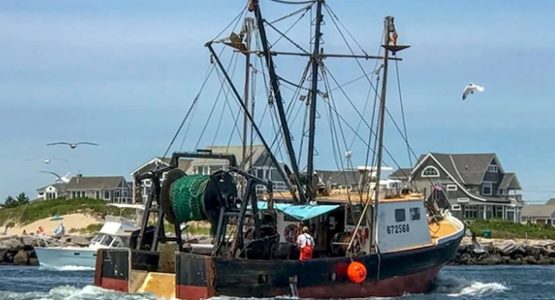
7-Year Maritime Mystery: Wreck Found Near Wind Turbine
31 Whales Entangled Off East Coast in 2026, Most in New England
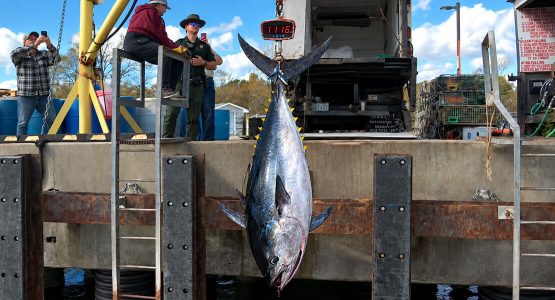
1,116-Pound Bluefin Tuna Shatters NH Record

Menhaden Shortage Threatens New England Ospreys
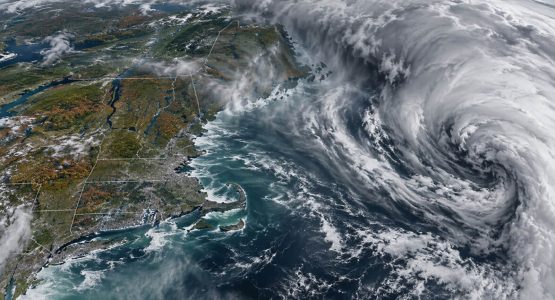
The Toll of the September Nor’easter
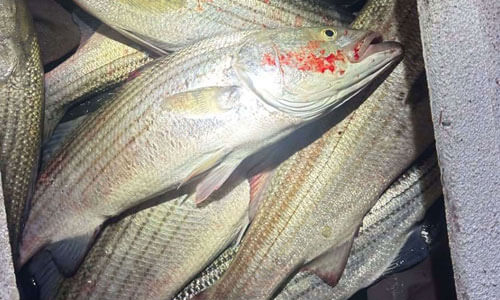
Hidden Compartment Leads to Illegal Striper Bust on Cape Cod
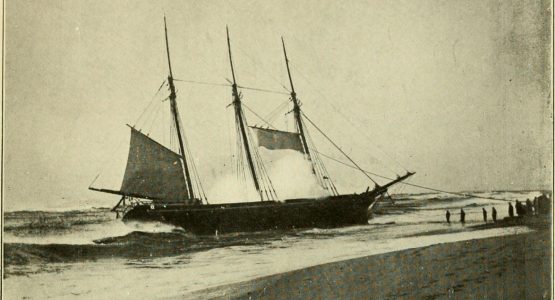
Nor’easter Uncovers 1884 Shipwreck on Nantucket Beach
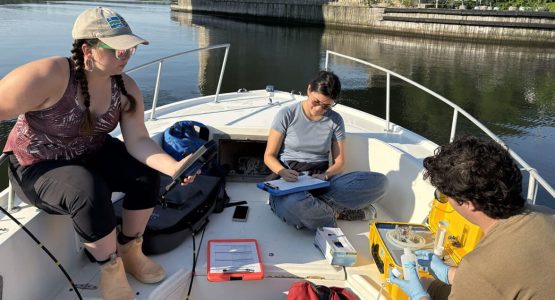
Long Island Sound Report Card Shows Improving Open-Water Quality
Powerful Nor’easter Threatens New England Boaters This Weekend
Discover Boating® Norwalk Boat Show Celebrates 50 Years!
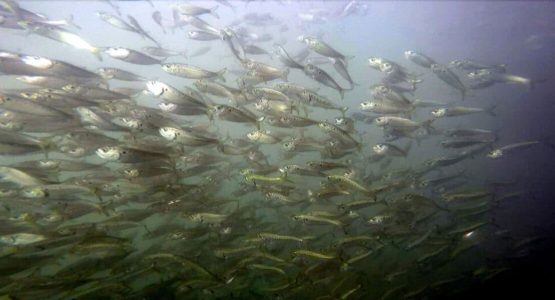
ASMFC Seeks Public Input on Atlantic Menhaden Fishing Rules