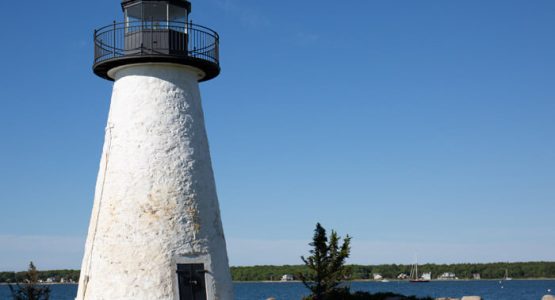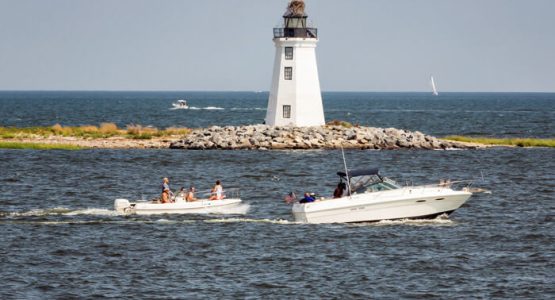

Long Island Sound Report Card Shows Improving Open-Water Quality
September 25, 2026
Hidden Compartment Leads to Illegal Striper Bust on Cape Cod
September 28, 2026

Nor'easter Reveals 1884 Shipwreck Fragments on Nantucket Beach

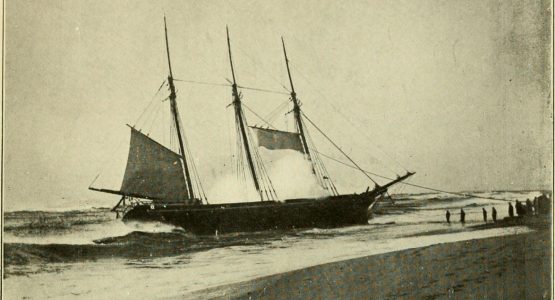
The three-masted schooner Warren Sawyer ashore at Surfside, Nantucket, after being driven onto the beach during a fierce gale on December 22, 1884. The vessel was en route from New Orleans to Boston carrying cotton and scrap iron.
The powerful nor’easter that hammered the New England coast this past weekend also unearthed historic wooden fragments from the 1884 shipwreck of the Warren Sawyer on Nantucket’s south shore. The relentless wind, rain and heavy surf triggered significant beach erosion near the Point of Breakers, exposing large wooden beams and iron fastenings that had been buried beneath the sand for over 140 years. Jason Graziadei, the editor-in-chief of the local Nantucket Current, is credited with making the first report of this remarkable finding after spotting and capturing video footage of the exposed hull segment on Saturday morning.
The Warren Sawyer was a three-masted wooden coastal schooner traveling from New Orleans to Boston with a cargo of cotton and scrap iron when fierce gale-force winds blew her off course on December 22, 1884. In a dramatic rescue, beachside lifesavers from the Surfside station jumped into action, deploying a specialized small cannon called a Lyle Gun to fire a lifeline across the churning surf to the stranded vessel. Once the line was secured, they utilized a breeches buoy system—which featured a life ring fitted with canvas pants—to safely suspend and haul each crew member over the waves to shore before the ship was completely destroyed.
The newly revealed fragments offer a fascinating look into the island’s treacherous maritime past. According to historians at the Egan Maritime’s Nantucket Shipwreck & Lifesaving Museum, Nantucket is known as one of the great “graveyards of the Atlantic,” with an estimated 700 to 800 recorded shipwrecks surrounding its shoreline. While previous fragments from the Warren Sawyer washed ashore in 2022 and 2023, shifting coastal sands continue to bring more of its long-buried pieces of history back to the surface.
State archaeologists with the Massachusetts Board of Underwater Archaeological Resources are expected to monitor the site, though local experts from the Maria Mitchell Association remind enthusiasts that nature may soon reclaim those very same timbers under a fresh new blanket of sand.
Written By Tom Schlichter

We offer the latest boat releases, electronics, gear, and dock-and-dine experiences. Engage yourself with captivating TV shows and short videos, immersing you in New England’s maritime adventures.
REGIONAL NEWS

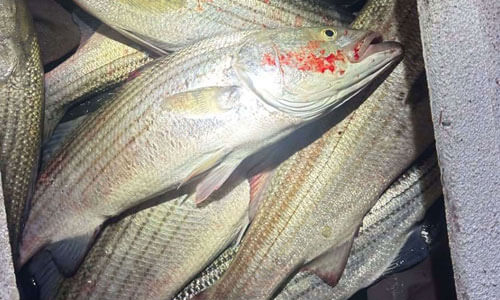
Hidden Compartment Leads to Illegal Striper Bust on Cape Cod
Nor’easter Uncovers 1884 Shipwreck on Nantucket Beach
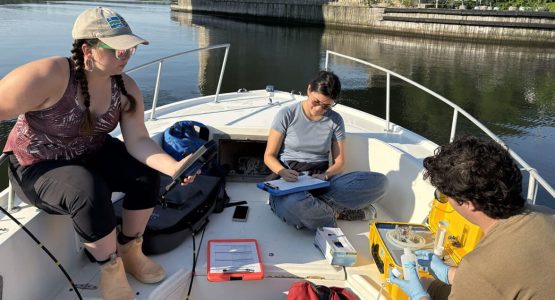
Long Island Sound Report Card Shows Improving Open-Water Quality

Powerful Nor’easter Threatens New England Boaters This Weekend

Rare Cotton Candy Lobster Caught Off Maine Coast

Discover Boating® Norwalk Boat Show Celebrates 50 Years!

ASMFC Seeks Public Input on Atlantic Menhaden Fishing Rules
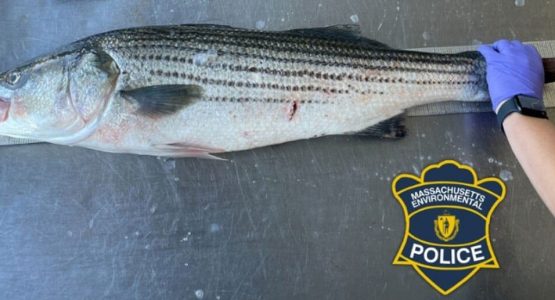
324 Pounds of Illegal Striped Bass Seized in Chatham
Massachusetts Boating Safety Grace Period Ends
New England Fall Fishing Blitz Starts Early

House Passes Bill Delaying New Right Whale Rules Until 2035
14-Year-Old Angler Lands Rare 45-Pound Cubera Snapper on Nantucket