Citizen Scientists Help Track New England’s Sturgeon Comeback
November 2, 2026

New Haven Harbor Dredging: New Reefs, New Fishing Opportunities
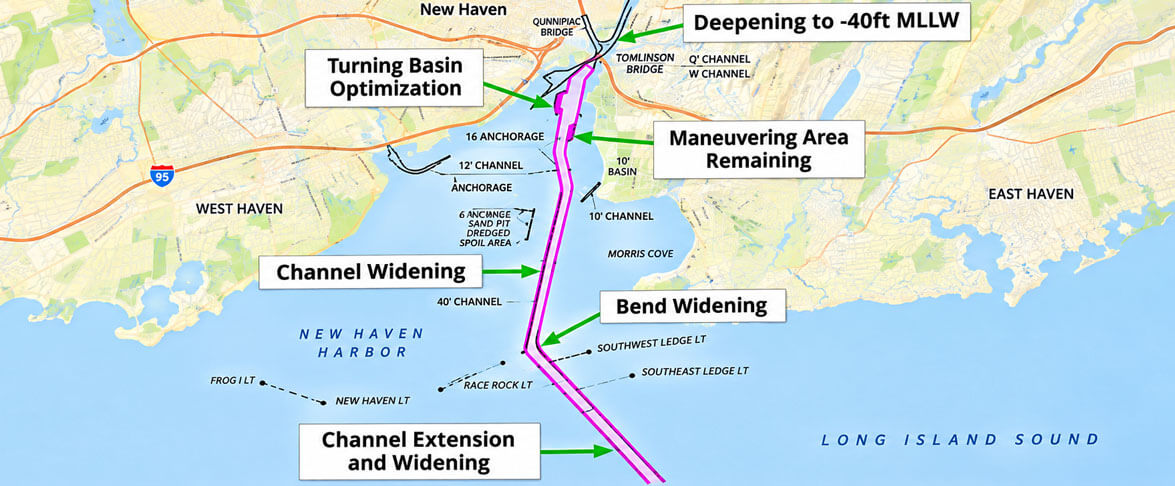
New Haven Harbor’s $160 million dredging project will deepen the main shipping channel to 40 feet, expand key navigation areas, and potentially create new opportunities and temporary challenges for recreational boaters and anglers.
A major U.S. Army Corps of Engineers (USACE) project is now underway to deepen New Haven Harbor’s federal channel from 35 to 40 feet, according to the New Haven Independent. While designed for commercial cargo ships, local Connecticut boaters and anglers are eyeing both the collateral benefits and temporary hazards of the project.
Contractor Great Lakes Dock and Dredge Company will ultimately remove 4.5 million cubic yards of material, with roughly 40% (1.7 million cubic yards) reused inside the harbor for aquatic ecosystem improvements, as reported by the CT Mirror. The USACE is constructing a new rock reef, enhancing oyster grounds, and filling 1950-era borrow pits (underwater depressions from excavations where sand and gravel were previously removed for local construction projects). It is hoped this fresh bottom structure will eventually act as a magnet for local sportfish like striped bass, tautog, and black sea bass, providing local anglers with a new hotspot to explore.
The remaining bulk of dredged silt and sand is slated for an open-water Central Long Island Sound Disposal Site, while a portion will build a 58-acre salt marsh at Sandy Point. Because the USACE deemed the sediment clean and suitable for unconfined open-water placement, environmental regulators do not expect long-term negative ecological impacts, though localized turbidity will briefly occur during dumping operations. Regional environmental advocates, including representatives from Save the Sound, have been cautiously supportive to indifferent, largely because the sediment is verified as toxin-free, and they are pleased with the beneficial reef and marsh reuse plans. No doubt, though, they’ll keep a watchful eye on the process from beginning to end, as will anglers, boaters and citizen activists.
The project is scheduled to operate in winter windows (October–March) across 2026–2028, and recreational boaters may need to navigate carefully around heavy industrial traffic during those periods. The New Haven Register warns mariners should keep a constant watch on VHF-FM Channels 13 and 16 to communicate early and coordinate safe passage with working dredges and support vessels. Be sure, also, to give mechanical dredges, disposal scows, and anchor lines a wide berth. Skippers will also want to stay alert for the specialized drilling and blasting barge handling 60,000 cubic yards of granite ledge near the breakwaters in the second winter season.
The major undertaking follows a lengthy regulatory journey that began with a formal navigation feasibility study authorized by the Senate Committee on the Environment and Public Works in July 2007. Following extensive reviews, Congress authorized the expansion under the Water Resources Development Act of 2020, backed by 2021 Bipartisan Infrastructure Law funding.

We offer the latest boat releases, electronics, gear, and dock-and-dine experiences. Engage yourself with captivating TV shows and short videos, immersing you in New England’s maritime adventures.
REGIONAL NEWS

New Haven Harbor Dredging: New Reefs, New Fishing Opportunities
Citizen Scientists Help Track New England’s Sturgeon Comeback

Spooky Surprise: Rare Calico Lobster Caught in MA
Are Offshore Wind Farms Delaying Coast Guard Rescues?
Scientists Track Speedy Atlantic Bonito in New Study
Arctic Water Pulse Costs Squid Fleet $6.5 Million
Tautog Bag Limit Jumps to 5 Fish in MA and RI October 15
7-Year Maritime Mystery: Wreck Found Near Wind Turbine
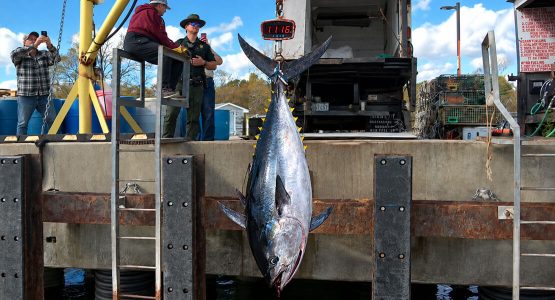
1,116-Pound Bluefin Tuna Shatters NH Record

Menhaden Shortage Threatens New England Ospreys

The Toll of the September Nor’easter
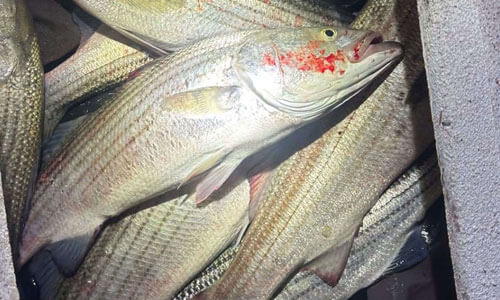
Hidden Compartment Leads to Illegal Striper Bust on Cape Cod