
New Penobscot River Boat Launch to Offer 24-Hour Access
November 11, 2026
New England Cleanup Removes 1,000 Tons of Ghost Fishing Gear
November 12, 2026

Three NH Anglers Busted With 108 White Perch Over Limit
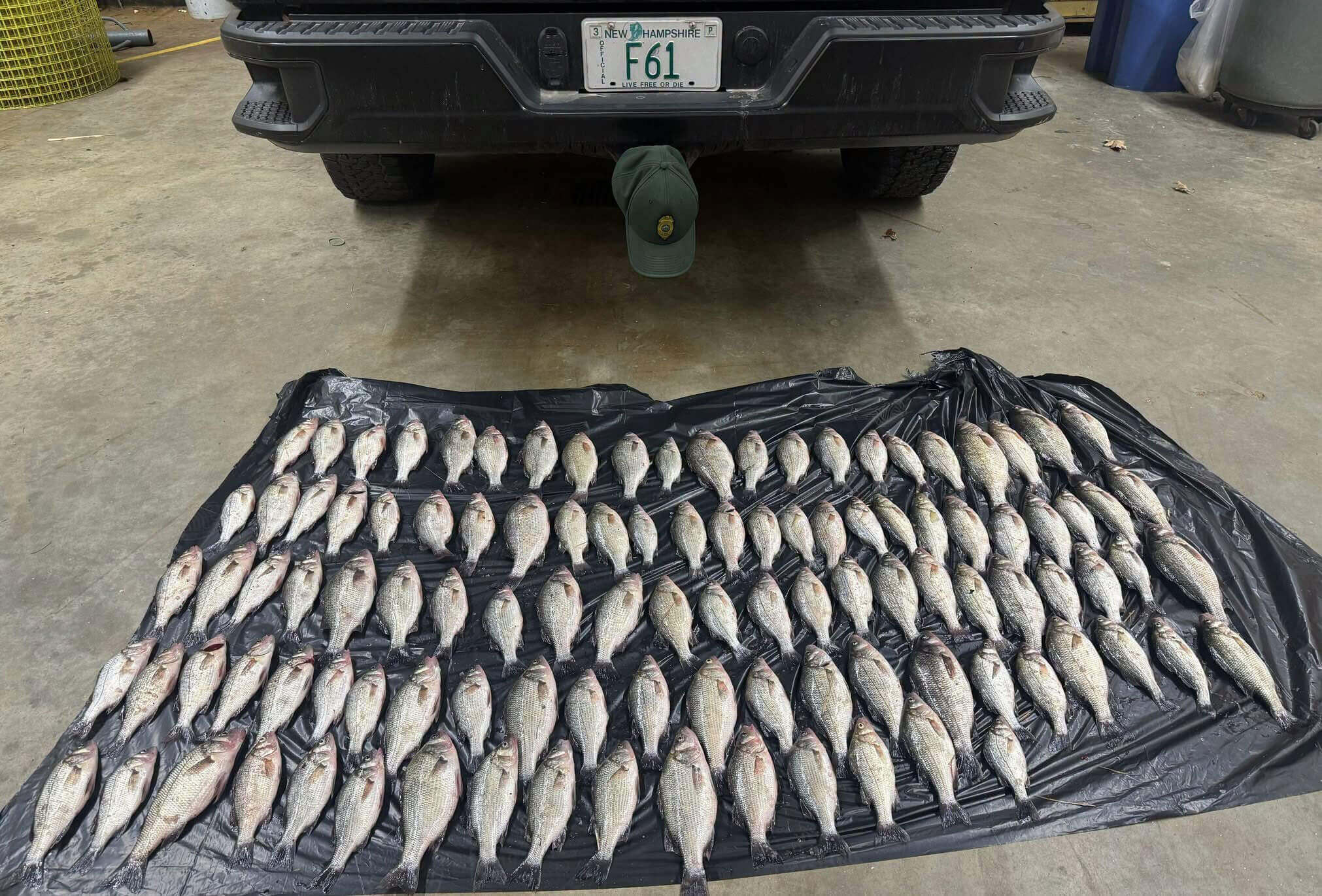
White Perch that were confiscated. Photo courtesy NH Fish and Game Law Enforcement
MANCHESTER, N.H. — Three anglers are facing steep fines and the potential suspension of their saltwater fishing licenses after wildlife officials discovered them with more than double the legal limit of white perch following an early November excursion.
According to WMUR, a New Hampshire Fish and Game conservation officer intercepted the trio and found them possessing 183 white perch. Under New Hampshire Fish and Game regulations, the daily bag limit for white perch is 25 fish per person. Between the three men, the maximum combined legal catch was 75 fish—meaning the group allegedly kept 108 fish over the legal threshold.
Additional details shared by New Hampshire Operation Game Thief and NH News Now reveal that the bust occurred along a river in District 6. Although the actual location was not provided, this area is within the state’s seacoast region. The conservation officer initially spotted an unoccupied vehicle with an attached boat trailer parked at a public boat launch facility favored by local duck hunters and fishermen. After monitoring the launch for approximately 90 minutes, the officer observed the three men return to shore by boat after dark.
Officials noted that the fishermen’s suspicious mannerisms immediately alerted the officer to potential illegal activity and prompted an inspection of their catch. Upon counting the haul and discovering the huge overage, citations were issued. As noted in the WMUR broadcast segment, if convicted of the overfishing violations, the three accused anglers will automatically lose their New Hampshire saltwater fishing privileges for one full year in addition to paying substantial court-ordered fines.
White perch are technically members of the temperate bass family and related to striped bass rather than true perch. They are a popular catch across New England in coastal estuaries, tidal waters, and inland lakes. Recreational fishing regulations covering the species varies from state to state, however, so make sure to double-check before dropping a few in your cooler.

We offer the latest boat releases, electronics, gear, and dock-and-dine experiences. Engage yourself with captivating TV shows and short videos, immersing you in New England’s maritime adventures.
REGIONAL NEWS


New England Cleanup Removes 1,000 Tons of Ghost Fishing Gear
Three NH Anglers Busted With 108 White Perch Over Limit
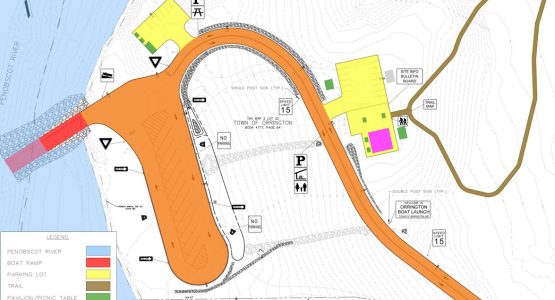
New Penobscot River Boat Launch to Offer 24-Hour Access
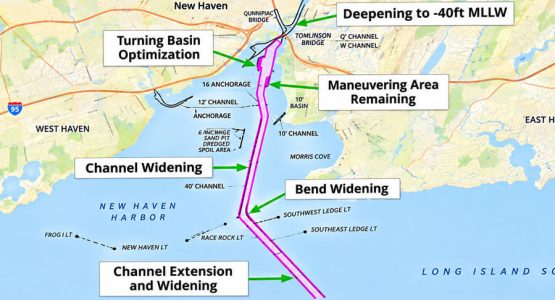
New Haven Harbor Dredging: New Reefs, New Fishing Opportunities
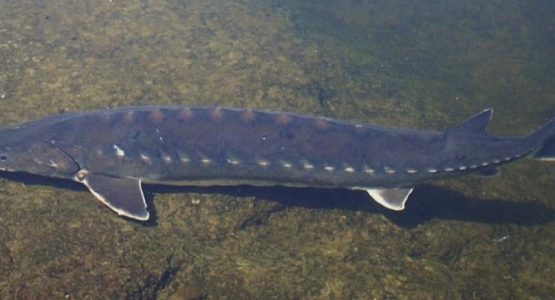
Citizen Scientists Help Track New England’s Sturgeon Comeback
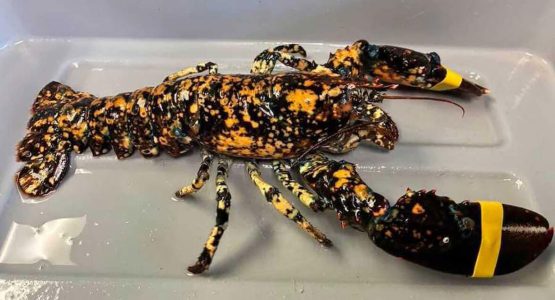
Spooky Surprise: Rare Calico Lobster Caught in MA

Are Offshore Wind Farms Delaying Coast Guard Rescues?
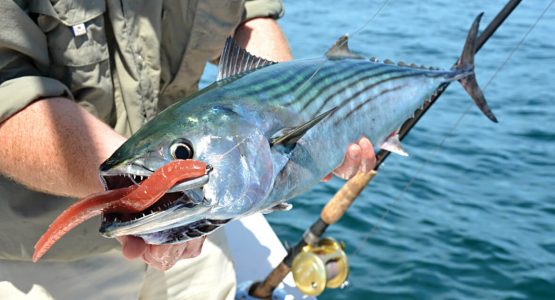
Scientists Track Speedy Atlantic Bonito in New Study

Arctic Water Pulse Costs Squid Fleet $6.5 Million
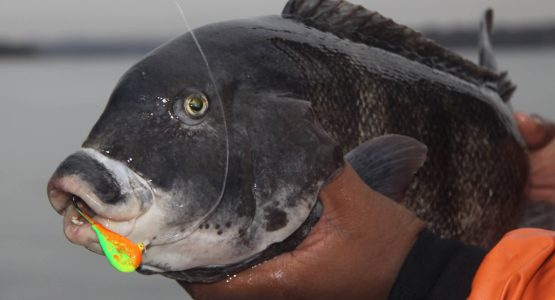
Tautog Bag Limit Jumps to 5 Fish in MA and RI October 15
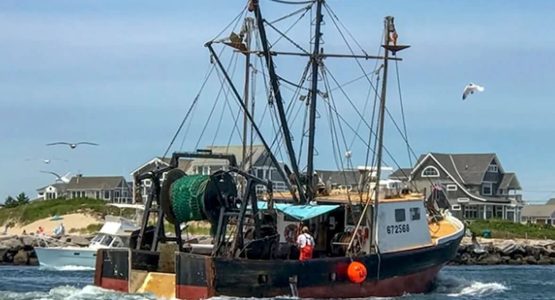
7-Year Maritime Mystery: Wreck Found Near Wind Turbine

31 Whales Entangled Off East Coast in 2026, Most in New England