Three NH Anglers Busted With 108 White Perch Over Limit
November 12, 2026

New England Cleanup Removes 1,000 Tons of Ghost Fishing Gear
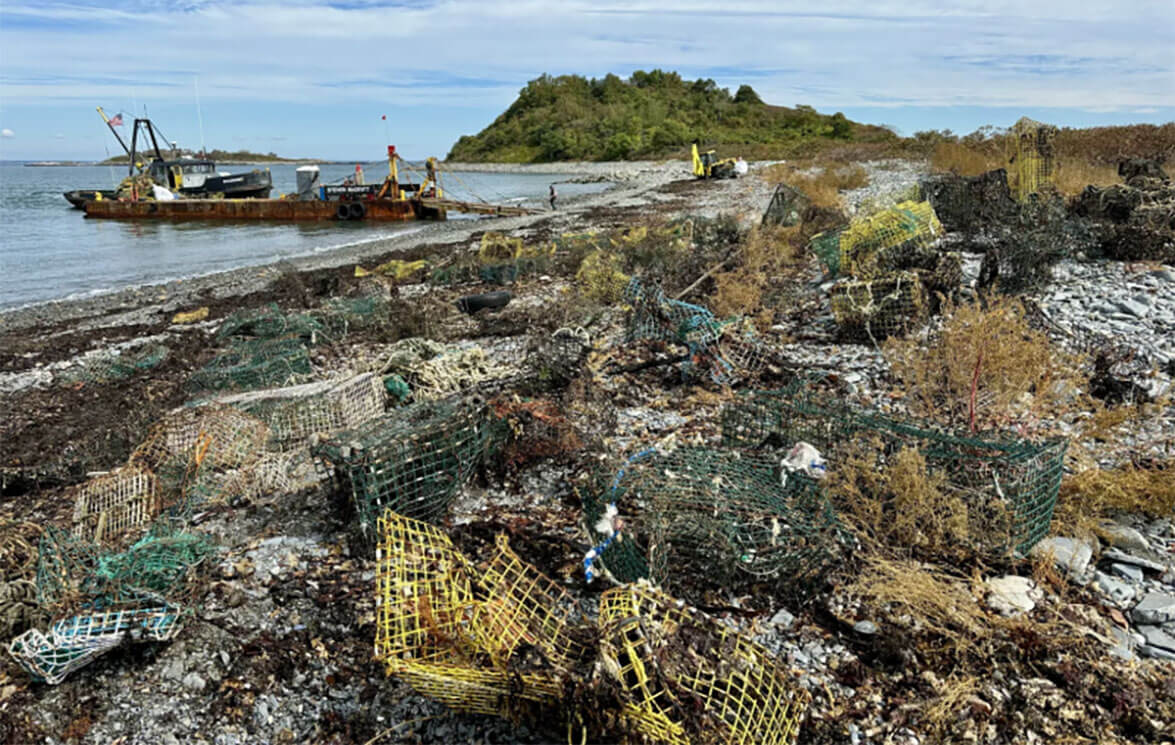
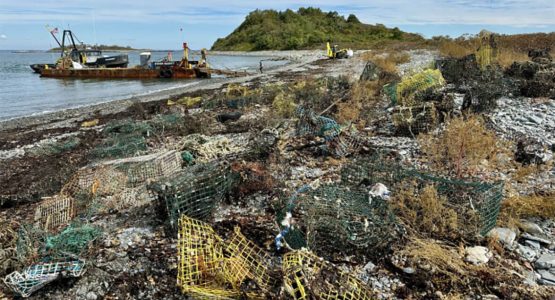
A large pile of traps ready to be picked up on Great Brewster Island in Boston Harbor. Photo courtesy of the Center for Coastal Studies.
A recently completed three-year initiative has successfully removed more than 2 million pounds of abandoned, lost, and discarded fishing gear from New England waters and shorelines, establishing a replicable blueprint for marine conservation. According to a Center for Coastal Studies press release, the New England Regional Fishing Gear Extraction & Response Coalition recovered 2,084,512 pounds of marine debris between July 2023 and June 2026.
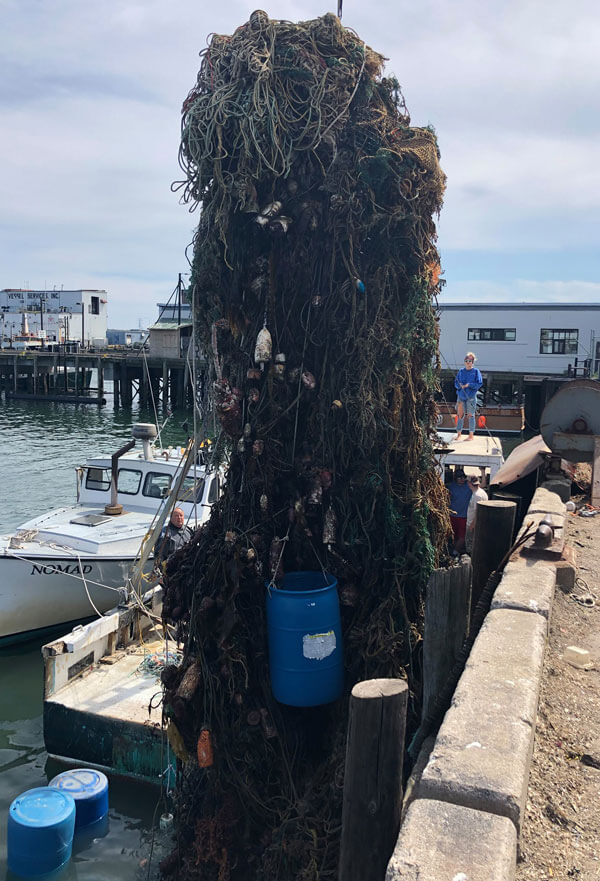
A gear ball retrieved in 2022. Photo courtesy of the Center for Coastal Studies.
Funded by a $2.7 million grant from the NOAA Marine Debris Program, the project spanned from Cape Cod to Maine and utilized sonar, grappling hooks, heavy cranes, and SCUBA divers to retrieve debris ranging from rusting wire-and-plastic lobster pots—complete with heavy ballast bricks and rigid vents—to massive tangles of rope and netting called “gear balls.”
Led by Laura Ludwig, director of the Marine Debris and Plastics Program at the Center for Coastal Studies, the coalition brought together six core partners: the Gulf of Maine Lobster Foundation, OceansWide, the Rozalia Project for a Clean Ocean, the Blue Ocean Society for Marine Conservation, and Net Your Problem.
Alongside 1,838 volunteers and contracted commercial fishermen, the team surveyed over 100,000 square miles of shoreline and seabed, removing 16,443 traps. Major operations included cleanups across the Boston Harbor Islands, remote islands in Maine, and a complex shoreline recovery in Hull, MA. Remarkably, 1.7 million pounds of extracted material were reused or recycled.
Abandoned fishing gear harms coastal nesting habitats, traps marine life, sheds microplastics, and creates navigational hazards. On shore, washed-up debris disrupts vital wildlife and bird habitat. At sea, decaying traps, ropes, and buoys continue catching fish and lobsters while releasing microplastics into the water, degrading fishing grounds, endangering vessels, and snagging expensive active equipment. Clearing these congested seabeds and shorelines helps restore healthy ecosystems and reopen productive fishing grounds for local fleets.
“No fisherman worth his salt would choose to lose his gear, and yet due to storm action, faulty gear, fishery conflict or boat traffic, gear is often lost to the ocean floor,” Ludwig noted in the announcement. “Through productive partnerships we have moved the needle toward preventing gear loss, protecting habitat, and promoting the engagement of fishermen in solving the problem.”
Following its October 2026 final report, the GEAR Team’s framework can now serve as a scalable model nationwide.

We offer the latest boat releases, electronics, gear, and dock-and-dine experiences. Engage yourself with captivating TV shows and short videos, immersing you in New England’s maritime adventures.
REGIONAL NEWS

New England Cleanup Removes 1,000 Tons of Ghost Fishing Gear
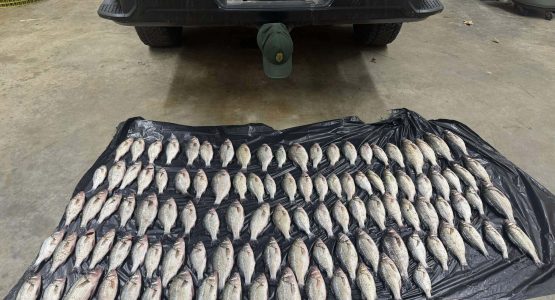
Three NH Anglers Busted With 108 White Perch Over Limit
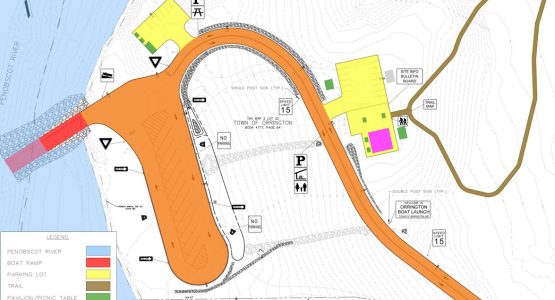
New Penobscot River Boat Launch to Offer 24-Hour Access
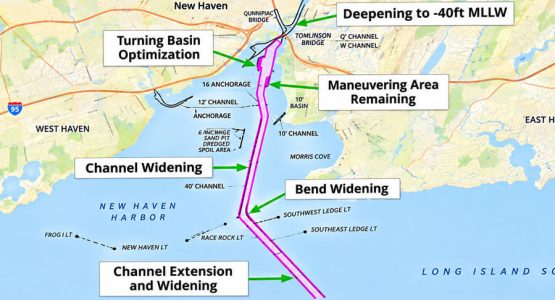
New Haven Harbor Dredging: New Reefs, New Fishing Opportunities
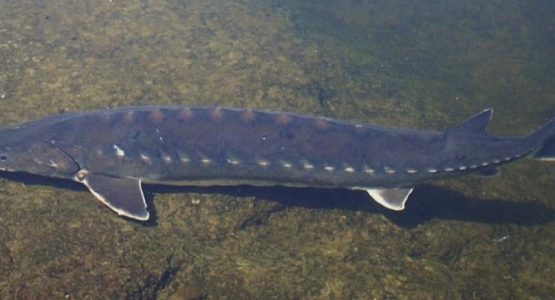
Citizen Scientists Help Track New England’s Sturgeon Comeback
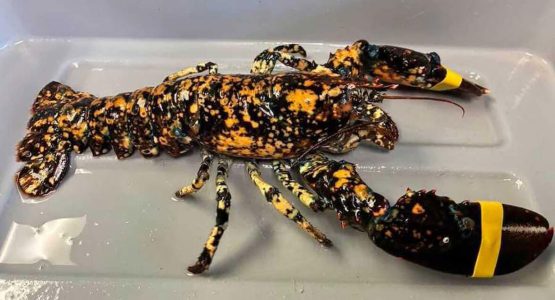
Spooky Surprise: Rare Calico Lobster Caught in MA
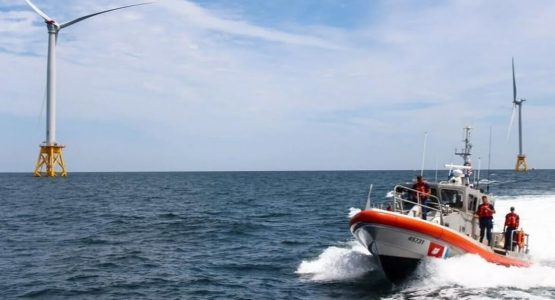
Are Offshore Wind Farms Delaying Coast Guard Rescues?
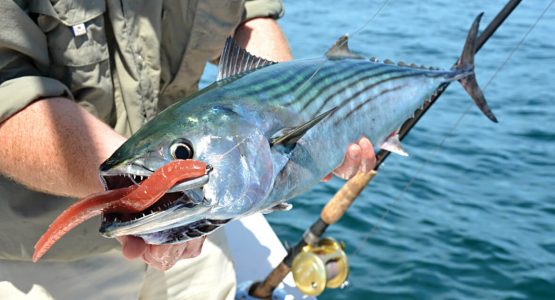
Scientists Track Speedy Atlantic Bonito in New Study
Arctic Water Pulse Costs Squid Fleet $6.5 Million
Tautog Bag Limit Jumps to 5 Fish in MA and RI October 15
7-Year Maritime Mystery: Wreck Found Near Wind Turbine
31 Whales Entangled Off East Coast in 2026, Most in New England