
14-Year-Old Angler Lands Rare 45-Pound Cubera Snapper on Nantucket
September 4, 2026

House Passes Bill Delaying New Right Whale Rules Until 2035
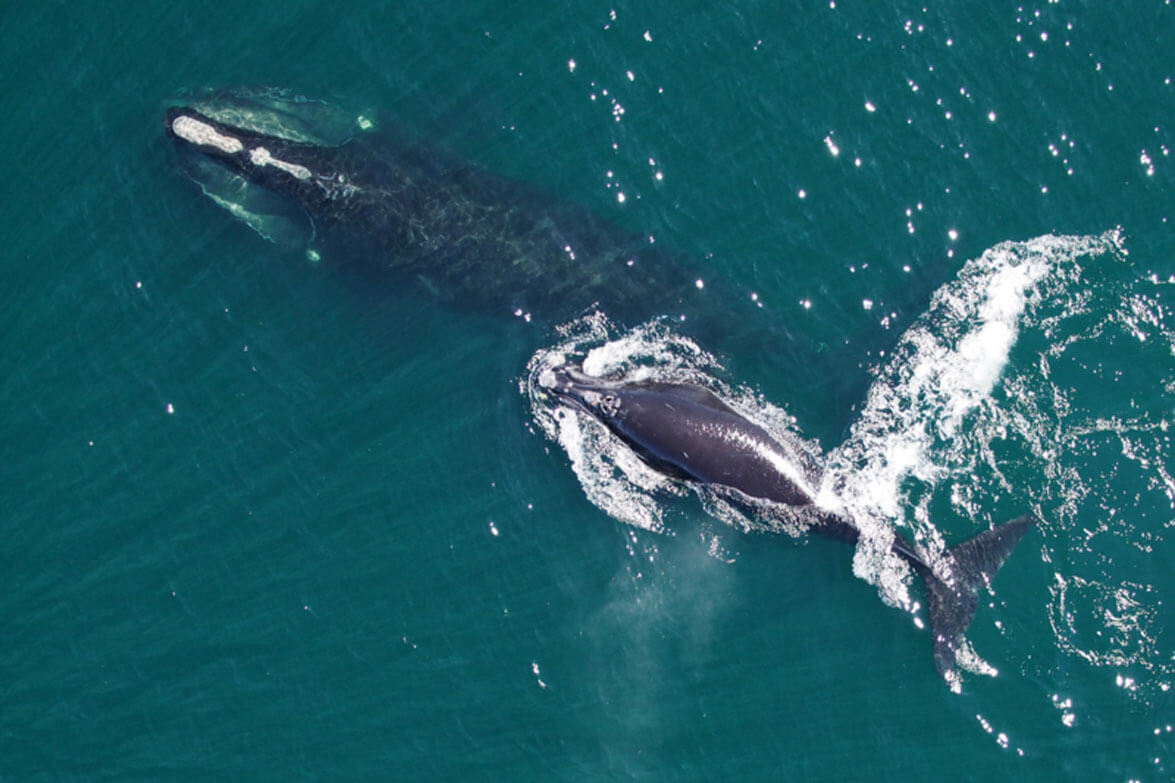
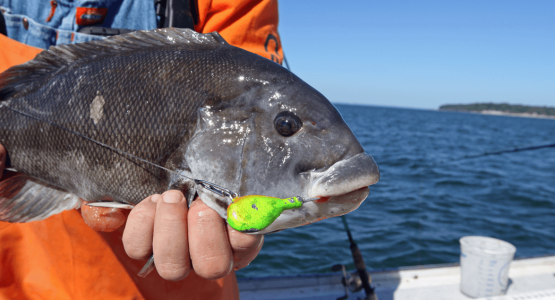
Photo/NOAA Northeast Fisheries Science Center/Lisa Conger & Elizabeth Josephson.
In a major victory for the New England commercial fishing fleet, the U.S. House of Representatives voted 219–196 on Tuesday, September 1, to pass the Northeast Lobstermen Protection Act. Spearheaded by Reps. Jared Golden (D-ME) and Mike Lawler (R-NY), the bill forces a sweeping federal moratorium, delaying additional protections for the critically endangered North Atlantic right whale until 2035. In short, the legislation effectively halts the National Marine Fisheries Service (NMFS) from enforcing restrictive new gear mandates (such as transitioning to experimental “ropeless” technology) and severe seasonal zone closures.
Commercial lobstermen are lauding the vote, believing it grants scientists needed time to study population patterns using rigorous local data rather than worst-case scenarios. Recreational anglers also found reason to celebrate, as the block on sweeping seasonal area closures preserves their access to historic and productive coastal bottom-fishing grounds. Conversely, conservationists sharply condemned the delay, warning that postponing gear entanglement rules pushes a population of fewer than 400 Atlantic Right whales closer to extinction.
The dynamic legislative action also directly reshapes the outlook for another Golden maritime priority: the Northeast Fisheries Heritage Protection Act. That act aims to permanently ban commercial offshore wind in Lobster Management Area 1 (LMA 1). This area serves as the primary engine for Maine’s entire lobster fishery, valued at over $461 million in 2025. LMA 1 encompasses the productive nearshore and offshore waters of the Gulf of Maine, supporting thousands of active, multi-generational family businesses. Under current state and federal frameworks, active lobstermen within Area 1 operate under strict regional caps, limited to a maximum of 800 traps per vessel to prevent overharvesting.
For both commercial captains and recreational anglers, the momentum generated by the bipartisan floor win demonstrates that a powerful coalition can be successfully mobilized to protect historic New England waters from industrialization under the banner of economic and recreational preservation. Moving forward, coastal communities remain deeply focused on federal policy shifts that impact regional commerce and long-term conservation strategies, setting up a crucial legislative showdown this autumn as conflicting maritime interests fight to secure their preferred economic futures and establish a clear and definitive path forward for the entire New England marine region.

We offer the latest boat releases, electronics, gear, and dock-and-dine experiences. Engage yourself with captivating TV shows and short videos, immersing you in New England’s maritime adventures.
REGIONAL NEWS


House Passes Bill Delaying New Right Whale Rules Until 2035

14-Year-Old Angler Lands Rare 45-Pound Cubera Snapper on Nantucket

Rhode Island Black Sea Bass Limits Increase Sept. 1
Newport Boat Show Returns Sept. 17–20

MA Anglers Land Massive 1,260-Pound Blue Marlin Off Cape Cod

New England Ports Rank Among America’s Best Boating Destinations

Maine Anglers Land Massive 770-Pound Bluefin Tuna in Casco Bay
ASA SAYS DECREASE IN FISHING PARTICIPATION FIRST SINCE 2021

Rising Tide Traps Nine Anglers on Connecticut Breakwater

Shark Encounter Pulls Maine Lifeguard Underwater at Scarborough Beach

The Prestige at Heritage Brings Classic Cars to Cape Cod Sept. 12–13